
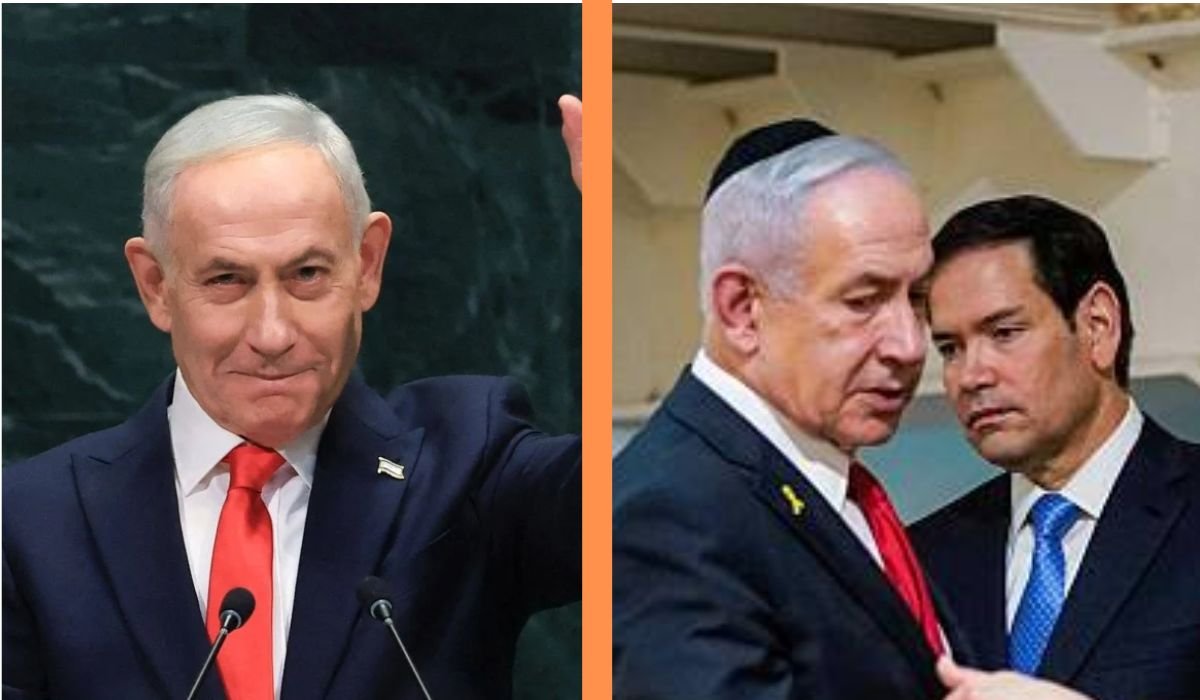
Benjamin Netanyahu Is One Of The Most Recognizable And Influential Political Leaders In Modern Israeli History. Known To Many People As “Bibi,” He Has Spent Decades Shaping Israel’s Government, Security Policies, International Relationships, And Approach To The Israeli-Palestinian Conflict. His Long Political Career Has Made Him A Major Figure In Global Affairs, While His Decisions Have Also Generated Strong Debate Both Inside Israel And Around The World.
Born On October 21, 1949, In Tel Aviv, Israel, Benjamin Netanyahu Grew Up Between Israel And The United States. His Education, Military Service, Business Experience, And Diplomatic Work Helped Prepare Him For A Career In Public Life. Before Becoming Prime Minister, He Served As Israel’s Ambassador To The United Nations And Held Several Important Government Positions.
Netanyahu First Became Prime Minister In 1996 And Later Returned To Office In 2009 And December 2022. His Governments Have Been Associated With Economic Reforms, Close Relations With The United States, And The Abraham Accords. However, His Leadership Has Also Faced Serious Challenges, Including Domestic Legal Proceedings, Controversies Over Judicial Reform, And The War In Gaza Following The Hamas-Led Attacks Of October 7, 2023.
Understanding Benjamin Netanyahu Requires Looking Beyond His Political Position. His Family History, Personal Experiences, Leadership Style, And Relationships With Other World Leaders All Help Explain His Influence. This Biography Explores His Early Life, Education, Military Career, Family, Political Achievements, Controversies, And Lasting Impact.
Quick Bio Information
Benjamin Netanyahu
Israeli Politician And Prime Minister
Known As “Bibi,” Netanyahu Is A Long-Serving Leader Of The Likud Party.
Full Name
Benjamin Netanyahu
Nickname
Bibi
Date Of Birth
October 21, 1949
Birthplace
Tel Aviv, Israel
Nationality
Israeli
Political Party
Likud
Father
Benzion Netanyahu
Mother
Tzila Netanyahu
Wife
Sara Ben-Artzi Netanyahu
Children
Three
Education
MIT And Harvard Studies
Military Service
1967–1973
UN Ambassador
1984–1988
First Became Prime Minister
1996
Profession
Politician And Former Consultant
Political Leadership
Leader Of Likud
First Premiership Ended
1999
Return To Office
December 2022
Early Life And Childhood
Benjamin Netanyahu Was Born Into A Family With Strong Historical And Political Interests. His Father, Benzion Netanyahu, Was A Historian Who Studied Jewish History, While His Mother, Tzila Netanyahu, Supported The Family Through Years Of Living In Israel And The United States. Although Netanyahu Was Born In Tel Aviv, He Spent Much Of His Childhood In Jerusalem And Later Attended School In Pennsylvania. These Experiences Gave Him Familiarity With American Culture And The English Language, Which Would Become Important During His Diplomatic Career. His Family Returned To Israel In 1967, When He Joined The Military. His Childhood Was Not Entirely Focused On Politics, But His Family Background And International Upbringing Became Important Parts Of His Public Identity.
Education At MIT And Harvard
Netanyahu Continued His Education In The United States After Completing High School. He Attended The Massachusetts Institute Of Technology, Commonly Known As MIT, Where He Earned A Bachelor’s Degree In Architecture And A Master’s Degree In Business Management. He Also Studied Political Science At MIT And Harvard University. His Studies Were Interrupted When He Returned To Israel To Participate In The 1973 Yom Kippur War. His Academic Background Later Became A Useful Part Of His Professional Profile, Combining Technical Education With Business Knowledge And An Interest In International Politics. Rather Than Entering Politics Immediately, Netanyahu First Worked In The Private Sector, Where He Gained Experience In Consulting And Management.
Military Service And Personal Loss
Netanyahu Served In The Israel Defense Forces From 1967 To 1972, primarily in the elite Sayeret Matkal unit, and returned for reserve service during the 1973 Yom Kippur War. His military experience included the operation to rescue hostages from a hijacked Sabena Airlines aircraft in 1972. He was promoted to captain in the reserves after the Yom Kippur War. A deeply significant event in his family was the death of his older brother, Yonatan Netanyahu, during the 1976 Entebbe rescue operation in Uganda. Yonatan was commanding the Israeli operation to free hostages held by hijackers. Benjamin later became involved in international efforts to draw attention to terrorism. His own military record and his brother’s death both feature prominently in accounts of his interest in national security.
Early Career And Diplomacy
After completing his studies, Netanyahu worked at Boston Consulting Group from 1976 to 1978. He subsequently returned to Israel and led the Jonathan Institute, an organization established to study terrorism and promote international discussion of the subject. He also held a management position at Rim Industries. His career then moved into diplomacy. From 1982 to 1984, he served as deputy chief of mission at Israel’s embassy in Washington, D.C. In 1984, he became Israel’s ambassador to the United Nations, a position he held until 1988. During this period, he became known for presenting Israel’s position in international debates and appearing in English-language media. His diplomatic experience helped him develop the communication skills that later became a major feature of his political career.
Rise In Israeli Politics
Netanyahu entered the Knesset, Israel’s parliament, in 1988 as a member of Likud. He served as deputy minister of foreign affairs before becoming chairman of the party in 1993. Likud is generally associated with national security, economic liberalization, and a right-wing approach to many questions involving Palestinian statehood and Israeli sovereignty. Netanyahu became leader of the opposition and built a national profile through speeches, interviews, and political campaigning. His public communication skills helped him appeal to voters concerned about security and Israel’s international standing. In 1996, he became Israel’s prime minister following a closely contested election. His victory marked the beginning of a political career that would repeatedly return him to the center of Israeli government.
First Term As Prime Minister
Netanyahu’s first term as prime minister lasted from 1996 to 1999. His government focused on security, economic policy, and negotiations with the Palestinians. The period followed years of difficult peace efforts and continuing violence, making questions of terrorism and national security central to public debate. Netanyahu supported negotiations based on reciprocal commitments, while critics argued that his approach slowed progress toward a lasting settlement. His administration also pursued economic liberalization, including privatization and changes to financial regulations. Despite his electoral victory, Netanyahu faced disagreements within his coalition and growing political opposition. He lost the 1999 election to Ehud Barak and left office. His first premiership was relatively short, but it established him as a leading figure in Israeli conservative politics.
Return To Government And Economic Policies
After leaving office, Netanyahu spent time outside frontline politics before returning to government. He served as foreign minister from 2002 to 2003 and finance minister from 2003 to 2005. As finance minister, he promoted a market-oriented economic program involving spending reductions, tax changes, privatization, and pension reforms. Supporters credited these policies with helping Israel recover from economic difficulties and encouraging private-sector growth. Critics, however, raised concerns about the effects of spending cuts on vulnerable households and public services. These debates illustrate a recurring feature of Netanyahu’s career: supporters often emphasize economic performance and national strength, while opponents question the social costs and political priorities of his policies. In 2005, he again became chairman of Likud and leader of the opposition.
Long Premiership From 2009 To 2021
Netanyahu returned to the premiership in 2009 and remained in office until June 2021. During these years, he led several governments and became known for his emphasis on security, economic competitiveness, and close relations with the United States. His administrations dealt with Iran’s nuclear program, regional instability, Palestinian negotiations, and repeated rounds of violence. Israel also experienced technological and economic growth during this broader period, although the extent to which particular outcomes resulted from government policy is debated. Netanyahu’s long tenure depended on building and maintaining parliamentary coalitions, which sometimes required difficult compromises. Repeated elections and political disagreements eventually weakened his position. In 2021, a coalition led by Naftali Bennett and Yair Lapid replaced his government, sending Netanyahu back into opposition after more than a decade in office.
Donald Trump And The Abraham Accords
Netanyahu developed a close political relationship with Donald Trump, particularly during Trump’s first presidency. The United States recognized Jerusalem as Israel’s capital in 2017 and recognized Israeli sovereignty over the Golan Heights in 2019. In 2020, the Trump administration also helped broker the Abraham Accords, through which Israel established or normalized diplomatic relations with the United Arab Emirates and Bahrain. Morocco and Sudan later became associated with the broader normalization process, although their circumstances and implementation differed. Netanyahu presented the agreements as major diplomatic achievements that could expand regional cooperation. Supporters welcomed the prospect of stronger trade, travel, and security ties. Critics argued that normalization between Israel and Arab governments did not resolve the Palestinian question and could reduce international pressure for a negotiated Palestinian state.
Return To Power In 2022
Following several years of political instability and repeated elections, Netanyahu returned as prime minister on December 29, 2022. His government was formed through a coalition that included Likud and several religious and nationalist parties. The coalition’s priorities included judicial reform, security measures, and changes to aspects of Israeli governance. Its composition also raised concerns among critics about the influence of far-right politicians and the direction of policies toward Palestinians. Netanyahu argued that his government had a democratic mandate to implement its agenda. However, the coalition soon faced widespread opposition, particularly over its proposed changes to the judiciary. His return demonstrated his political resilience, but it also placed him at the center of some of Israel’s deepest domestic divisions.
Judicial Reform And Public Protests
In 2023, Netanyahu’s government introduced judicial reform proposals that would have changed aspects of the relationship between the judiciary, parliament, and executive branch. Supporters argued that elected representatives needed greater authority over judicial decisions and appointments. Opponents warned that the proposals could weaken judicial independence and reduce important checks on government power. Large demonstrations took place across Israel, involving citizens, professionals, military reservists, and other groups. The controversy became a wider debate about democracy, accountability, and the limits of political authority. The dispute also created concerns about national unity and economic confidence. It remains an important part of Netanyahu’s political legacy because it showed how questions of constitutional balance could divide Israeli society even before the October 2023 attacks.
October 7 Attacks And The Gaza War
On October 7, 2023, Hamas-led militants attacked communities and military positions in southern Israel, killing approximately 1,200 people and taking around 250 hostages, according to widely reported figures. Israel launched a large military campaign in Gaza, stating that its objectives included dismantling Hamas’s military capabilities and securing the return of hostages. The conflict caused extensive destruction, mass displacement, and a severe humanitarian crisis for Palestinians. Netanyahu faced criticism in Israel over the security failures that allowed the attacks to occur and over the government’s handling of the hostage crisis. His supporters argued that military action was necessary to prevent further attacks. The war also intensified international disputes over civilian protection, humanitarian access, and the future governance of Gaza. These events became central to debates about his leadership and accountability.
Legal Cases And International Controversies
Netanyahu has faced significant legal challenges. In 2019, he was indicted in Israel on charges including bribery, fraud, and breach of trust. He has denied wrongdoing, and the charges should not be described as convictions. Separately, on November 21, 2024, the International Criminal Court issued an arrest warrant for Netanyahu over alleged war crimes and crimes against humanity connected to the Gaza conflict. The warrant is distinct from his domestic criminal trial and does not itself establish guilt. Israel has rejected the ICC’s jurisdiction and disputed the accusations. Another separate legal process is the case brought by South Africa against Israel at the International Court of Justice under the Genocide Convention. That case concerns the responsibility of a state, not Netanyahu’s personal criminal liability. Clear distinctions between these proceedings are essential for an accurate biography.
Wife, Children, And Family Life
Benjamin Netanyahu is married to Sara Ben-Artzi Netanyahu, whom he married in 1991. He has three children, including Yair Netanyahu, from his family life across his marriages. Before Sara, he was married to Miriam Weizmann and Fleur Cates. His family background has often attracted public interest because his father was a prominent historian and his brother Yonatan became a symbol of Israeli military sacrifice after the Entebbe operation. However, much of his family life remains separate from his official responsibilities. A responsible biography should focus on publicly documented information rather than rumors or speculation. His family history provides context for his personal story, but it should not replace a careful examination of his decisions and record as a political leader.
Current Position And Political Legacy In 2026
As of October 2026, Netanyahu remains prime minister, and Israel is approaching a national election scheduled for October 27. His political future is being debated amid continuing arguments over the October 7 security failures, the war in Gaza, and the country’s regional relationships. Recent reporting describes a divided electorate, with opponents demanding greater accountability and Netanyahu’s supporters emphasizing security and his record in office. The future of Gaza, the status of ceasefire arrangements, and the consequences of the ICC warrant remain major international issues. His legacy is therefore still developing. Some supporters view him as an experienced leader who strengthened Israel’s diplomatic position and prioritized national security. Critics point to democratic concerns, the humanitarian consequences of war, and questions about government accountability.
Conclusion
Benjamin Netanyahu’s biography reflects a remarkable political career shaped by international experience, military service, diplomacy, economic policy, and decades of leadership. From his early education in the United States to his rise within Likud and repeated terms as prime minister, he has played a major role in shaping Israel’s domestic and foreign policies. His supporters credit him with diplomatic achievements and a strong focus on security, while his critics challenge his approach to democratic institutions, Palestinian rights, and accountability during wartime. His long-term legacy will depend on how these competing assessments are judged and how Israel’s political and regional challenges develop in the years ahead.
FAQs About Benjamin Netanyahu
How Old Is Benjamin Netanyahu?
Benjamin Netanyahu Was Born On October 21, 1949. He Is 76 Years Old As Of October 2026 And Will Turn 77 On October 21, 2026.
Who Is Benjamin Netanyahu’s Wife?
His Wife Is Sara Ben-Artzi Netanyahu. They Married In 1991, And She Has Frequently Appeared Alongside Him At Official Events. She Is A Psychologist By Profession, According To His Official Biography.
How Many Children Does Benjamin Netanyahu Have?
Netanyahu Has Three Children. His Family Includes Yair Netanyahu, Who Has Attracted Public Attention Through His Political Commentary And Public Statements.
What Did Benjamin Netanyahu Study?
He Studied Architecture And Business Management At The Massachusetts Institute Of Technology. He Also Studied Political Science At MIT And Harvard University.
How Many Times Has Benjamin Netanyahu Been Prime Minister?
He First Served From 1996 To 1999, Returned To Office In 2009, And Served Until 2021. He Became Prime Minister Again In December 2022. These Periods Made Him Israel’s Longest-Serving Prime Minister.
What Political Party Does Benjamin Netanyahu Lead?
Netanyahu Is The Longtime Leader Of Likud, A Major Israeli Political Party Generally Associated With The Right Wing. He First Became Its Chairman In 1993 And Returned To The Leadership In 2005.
What Is The ICC Arrest Warrant Against Benjamin Netanyahu About?
The International Criminal Court Issued An Arrest Warrant In November 2024 Based On Allegations Of War Crimes And Crimes Against Humanity Connected To The Gaza Conflict. An Arrest Warrant Is Not A Conviction, And The allegations must be distinguished from the separate criminal proceedings he faces in Israel.
Why Is Benjamin Netanyahu Controversial?
Netanyahu’s leadership has generated debate over judicial reform, the Israeli-Palestinian conflict, settlement policy, domestic corruption charges, and the conduct of the Gaza war. Supporters emphasize his experience, security policies, and diplomatic relationships, while critics question his accountability and the consequences of his government’s decisions.
Learn more and explore exciting content on: Weather Forecast: Latest Conditions And What To Expect Today











Leave a Reply