
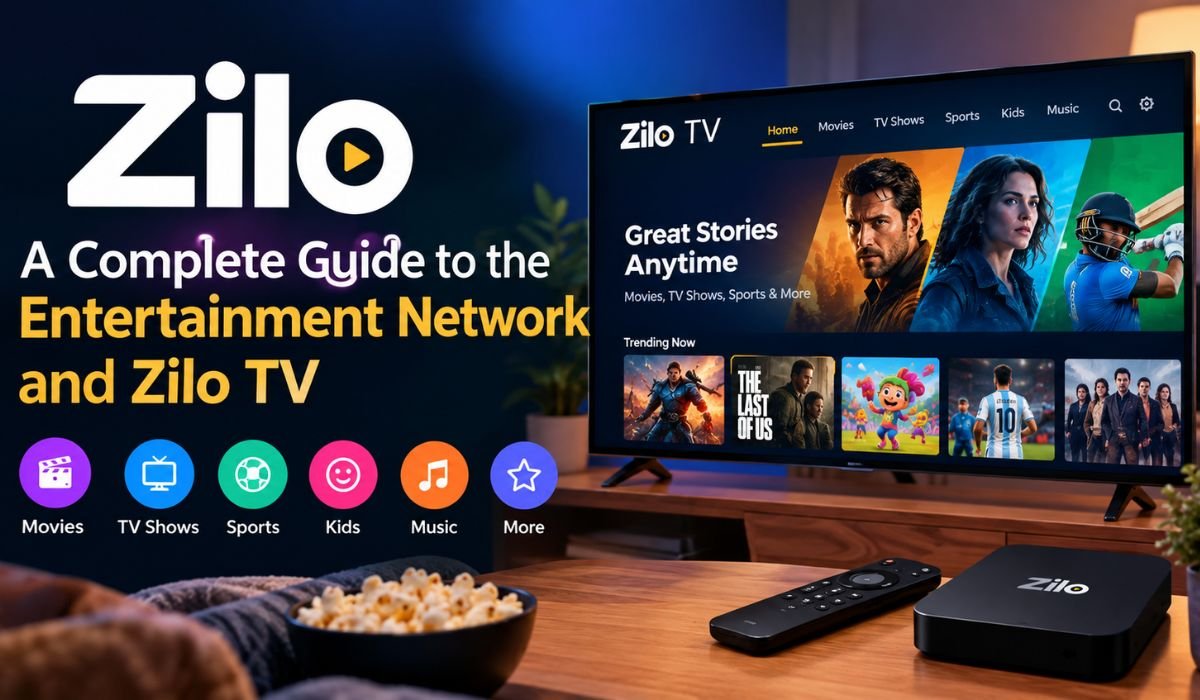
Zilo Was A New York City-Based Entertainment And Marketing Network Created Specifically For College Students And Young Adults. Founded In 1999, Zilo Networks Inc. Built Its Business Around A Simple But Interesting Idea: Bring Television And Entertainment Directly Into The College Environment. Its Most Recognized Project Was Zilo TV, A Campus Cable Television Network Designed To Reach Students In Dorm Rooms And Other College Settings.
At A Time When College Students Were Becoming An Increasingly Important Audience For Advertisers, Zilo Tried To Build A Media Network Around Their Interests. Contemporary Reporting Described Zilo As Providing Weekly Entertainment Programming Through Hundreds Of Campus Cable Systems. The Company Also Developed Programming, Events, And Online Activities Intended To Connect With Students Beyond Traditional Television.
Quick Bio Information
| Information | Details |
|---|---|
| Name | Zilo Networks Inc. |
| Common Name | Zilo |
| Industry | Entertainment And Marketing |
| Founded | 1999 |
| Headquarters | New York City |
| Main Audience | College Students And Young Adults |
| Major Project | Zilo TV |
| Television Focus | Campus And Dorm-Room Television |
| Zilo Live | Multi-Campus Sponsored Events |
| Zilo Online | Broadband Original Content |
| Founders | David Isaacs And Campbell McLaren |
| Major Programming | College Music Awards, Off The Hook, Exiled |
| Campus Reach | More Than 275 Campus Cable Systems Reported In 2003 |
| Reported Subscribers | More Than 5.5 Million Campus-Based Cable Subscribers In A 2006 SEC Filing |
| Transition | Connected With SirkTV During 2008–2009 |
| Rebranding | Zilo TV Became Associated With SirkTV |
| SirkTV Parent Connection | Sirk Productions |
| Sirk Productions Founded | 1997 |
| Notable Sirk Work | Severe Clear, Anytown, USA, The Inside Reel |
What Was Zilo Networks?
Zilo Networks Inc. Was More Than A Traditional Television Channel. It Was Described As An Integrated Entertainment And Marketing Network For College Students And Young Adults. Its Activities Included Zilo TV, Zilo Live, And Zilo Online, Giving The Company A Presence Across Television, Live Events, And The Internet. A 2006 SEC Filing Described Zilo TV As A Wholly Owned College Television Network Providing Programming To More Than 5.5 Million Campus-Based Cable Subscribers, Along With Additional Reach Through Broadcast Households And College Bookstores.
This Approach Helped Zilo Stand Out From General Television Networks. Instead Of Trying To Reach Everyone, The Company Focused On A Clearly Defined Audience. That Audience Was Particularly Attractive To Advertisers Because College Years Often Involve First-Time Choices About Products, Services, Entertainment, And Lifestyle. Contemporary Reporting Quoted Zilo Co-Founder David Isaacs Explaining The Importance Of Reaching Students During This Stage Of Life.
When Was Zilo Founded?
Zilo Networks Was Founded In 1999 In New York City. Business-Registration Records Also Show A Zilo Networks Inc. Filing Dated September 1, 1999, Supporting The Company’s Connection To That Period.
The Company Entered A Media Environment In Which Cable Television Was Highly Established, While Internet Access On College Campuses Was Expanding Quickly. Zilo’s Focus On Dorm Rooms Was Therefore Particularly Relevant. Students Were Already Becoming Accustomed To Choosing Specialized Television Content, And College Campuses Offered A Concentrated Audience That Traditional Broadcasters Could Not Easily Target In The Same Way. Contemporary Coverage Of College Television Described This Market As Increasingly Attractive To Media Companies And Advertisers.
Who Was Zilo Designed For?
Zilo Was Designed Primarily For College Students And Young Adults. Its Programming And Marketing Strategy Were Built Around The Interests And Media Habits Of This Audience. Instead Of Treating College Students Simply As General Television Viewers, Zilo Attempted To Create Content And Experiences Specifically Relevant To Campus Life.
This Focus Also Had A Marketing Purpose. College Students Represented A Distinct Consumer Group, And Advertisers Wanted Ways To Reach Them In Places Where They Spent Time. Zilo’s Campus Television Model Created An Opportunity To Put Programming And Advertising Into Dorm Rooms And College Environments. Contemporary Reports Noted That Zilo Produced Programming Around Campus Events, Including Music And Sports Activities.
What Was Zilo TV?
Zilo TV Was The Central Television Project Created By Zilo Networks. It Was Designed As A Dorm Room Campus Cable Television Network, Making It Possible For College Students To Watch Zilo Programming Through Campus Cable Systems. SirkTV’s Historical Material Later Described Zilo TV As A Major National College Television Network.
The Scale Of Zilo TV Changed Over Time. A 2003 Los Angeles Times Report Said Zilo Was Providing About 12 Hours Of Entertainment Programming Each Week To More Than 275 Campus Cable Systems, Including USC’s Trojan Vision, Which Was Distributed Into Dorm Rooms. Earlier Industry Reporting Said Zilo TV Had Reached Four Million Viewers After Its First Year, Showing That The Concept Had Quickly Attracted Attention.
How Did The Zilo Campus Network Work?
The Zilo Campus Television Model Was Built Around Existing College Cable Infrastructure. Instead Of Asking Students To Find A New Website Or Purchase A Separate Service, Zilo Could Deliver Programming Through Campus Television Systems. This Made The Dorm Room A Natural Viewing Location And Put Zilo Directly Into The College Environment.
Zilo Also Produced Or Sponsored Events That Could Become Television Content. Contemporary Reporting Explained That The Company Filmed Events, Sometimes With Help From Students, Including Music Concerts And Sports Competitions. This Created A Connection Between Real Campus Experiences And Television Programming.
The Model Was Particularly Interesting Because It Combined Local College Culture With Nationally Distributed Programming. Students Could See Entertainment Connected To Their Age Group And Interests, While Advertisers Could Reach A More Specific demographic than they could through broad television broadcasting.
Zilo’s Entertainment And Marketing Approach
Entertainment And Marketing Were Closely Connected Within Zilo’s Business Model. The Company Created Programming For Young Viewers While Building A Media Platform That Could Also Attract Advertisers Interested In The College Market. SirkTV’s Historical Description Says Zilo Developed Original Programming Including “The College Music Awards,” “Off The Hook,” And “Exiled,” A Reality Competition Created For College Students.
Another Project Mentioned In Zilo’s Historical Material Was “Get $tupid,” An On-And-Offline Series That The Company Said Helped CollegeHumor.com Reach A Much Larger Audience. Because Some Of These Claims Come From Material Closely Associated With Zilo And SirkTV, They Are Best Understood As Company-Reported History Rather Than Independent Measurements. This Distinction Is Important When Researching A Company With A Relatively Small Independent Historical Record.
Zilo Live And Zilo Online
Zilo’s Strategy Extended Beyond Television. A 2006 SEC Filing Described Zilo As Including Zilo TV, Zilo Live, And Zilo Online. Zilo Live Was Described As A Series Of Multi-Campus, Sponsor-Driven Participatory Events, While Zilo Online Was Presented As A Broadband Website Offering Original Streaming Content For College Students.
These Projects Show How Zilo Was Trying To Build A Broader College Media Brand Rather Than Operating Only As A Cable Network. Television Provided The Main Distribution Platform, Live Events Created Direct Student Interaction, And Online Content Added Another Way To Reach The Same Audience. This Multi-Platform Approach Was Notable Because It Appeared Before Today’s Social Media And Streaming Ecosystems Became Standard.
Zilo’s Programming
Zilo’s Programming Covered Several Entertainment Areas. Its Historical Material Mentions Music, Comedy, Reality Programming, And Other Content Designed Around College Audiences. “The College Music Awards” Connected The Network With Music Culture, While “Off The Hook” Represented Its Comedy Programming. “Exiled” Was Described As A Reality Competition Created By And For College Students.
Contemporary Coverage Also Shows That Zilo Used Campus Events As A Source Of Programming. Music Performances And Sports Activities Could Be Recorded And Distributed Through The Network. This Approach Gave Zilo A More Campus-Oriented Identity Than A General Entertainment Channel And Helped Connect Its Programming With The Places Where Its Viewers Actually Lived And Studied.
Why Was College Television Important?
College Television Became An Interesting Media Category Because Students Represented A Concentrated And Highly Valuable Audience. In The Early 2000s, Several Networks Were Competing For College Viewers, And Industry Publications Reported Strong Interest In Campus-Based Television. Zilo Was One Of The Companies Trying To Build A Specialized Network Around This Market.
The College Environment Also Offered A Different Advertising Opportunity. Rather Than Reaching A Broad Audience Across The Country, A Campus Network Could Put Messages In Front Of Students In Dorms And Other College Locations. Zilo’s Strategy Therefore Combined Entertainment With Targeted Marketing, Which Was Central To Its Identity As An Entertainment And Marketing Network.
Zilo’s Founders
Zilo’s Historical Material Identifies David Isaacs And Campbell McLaren As Its Founders. Their Backgrounds Were Connected To Entertainment Production And Live Events. SirkTV’s account credits them with creating The Ultimate Fighting Championship and producing numerous Pay-Per-View Music And Comedy Events, Along With Other Television And Entertainment Projects.
Independent Contemporary Reporting Also Identified David Isaacs As A Zilo Co-Founder And Chief Executive. The Los Angeles Times reported on Zilo’s college-focused strategy and its programming activities in 2003. These sources help place Zilo within a broader entertainment industry context rather than treating it simply as an isolated campus television experiment.
Zilo’s Reach And Audience
Zilo’s Reported Audience Changed As The Network Expanded. A 2003 Los Angeles Times Report Described Programming Going To More Than 275 Campus Cable Systems. By 2006, An SEC Filing Described Zilo TV As Reaching More Than 5.5 Million Campus-Based Cable Subscribers, Along With Additional Distribution Through Broadcast Households And College Bookstores.
SirkTV’s Own Historical Pages Later Reported More Than Five Million Subscribers And Referred To The Network As A Major Dorm-Room College Television Service. Because These Figures Come From Different Years And Sources, They Should Not Be Treated As A Single Fixed Audience Number. Instead, They Show That Zilo’s Distribution Was Reported To Have Expanded Significantly During Its Active Period.
The Transition From Zilo TV To SirkTV
The Story Of Zilo TV Eventually Became Closely Connected With SirkTV. SirkTV’s Current Historical page says Sirk Productions purchased the Zilo College Television Network in 2008, while also describing the network as being sold and rebranded as SirkTV in Spring 2009. A separate SirkTV page says that in January 2008 it began distributing and programming the Zilo Television Network.
The Wikipedia description gives the simpler version that Zilo TV was sold to SirkTV in Spring 2009. The available sources therefore suggest A Transition That Began Around 2008 And Was Associated With Rebranding By 2009, Rather Than A Single Simple Event With No Lead-Up. This Is A Useful Distinction For Readers Because The Historical Sources Do Not Describe The Timing In Exactly The Same Way.
Who Was SirkTV?
SirkTV Was Connected With Sirk Productions, A New York-Based Film, Television, And Video Production Company Founded In 1997. Sirk Productions Worked On Feature Films, Television Programming, And Multimedia Services. Its Work Included The Documentaries “Severe Clear” And “Anytown, USA,” Along With “The Inside Reel.”
After The Zilo Transition, SirkTV Continued The College Television Concept Under Its Own Branding. Its Historical Website Describes Programming That Included Independent Films, Music, Extreme Sports, Celebrity Interviews, And Other Entertainment Content Intended For College Viewers. The Network Also Positioned Itself As An Advertising Platform For Brands Seeking Access To The College Audience.
What Happened To Zilo After The Sale?
The Publicly Available Record Becomes Much Thinner After The Zilo TV Transition. SirkTV’s Historical Pages Continue To Describe The Network As SirkTV, Formerly Zilo, And Explain That Its Programming Was Distributed To Colleges And Universities. The Current SirkTV Website also says the service was relaunched and continues to offer programming to college and university broadcast or streaming channels.
This Means Readers Should Be Careful With Statements That Zilo Continued Operating In Exactly The Same Form After 2009. The Better-Supported Description Is That Zilo’s College Television Network Became Part Of A SirkTV-Branded Operation. The Independent Historical Record Does Not Provide Enough Evidence To Build A Detailed Year-By-Year Corporate History After That Transition.
Wikipedia And The Zilo Article
The Wikipedia Article About Zilo Has Historically Carried Maintenance Notices Concerning Notability And Source Independence. Those Notices Matter Because Much Of The Available Information About Zilo Comes From SirkTV Or Material Closely Connected With The Company.
That Does Not Mean The Historical Information Is Automatically Incorrect. It Means Readers Should Separate Directly Documented Facts From Company-Reported Descriptions And Marketing Claims. Independent reporting from outlets such as the Los Angeles Times and Multichannel News provides useful additional context about Zilo’s campus distribution, audience strategy, and place within the early college television market.
Final Thoughts On Zilo
Zilo Was An Interesting Example Of Early College-Focused Media. Founded In New York City In 1999, Zilo Networks Built Its Identity Around College Students And Young Adults And Developed Zilo TV As A Campus Cable Television Network. It Also Expanded Its Approach Through Live Events And Online Content, Showing An Early Interest In Connecting Television With Other Forms Of Student Engagement.
Its History Also Reflects A Larger Change In Media. College Students Were Becoming An Important Specialized Audience, And Companies Were Looking For Better Ways To Reach Them Through Television, Events, And Emerging Online Platforms. Zilo Tried To Build An Entire Entertainment And Marketing ecosystem Around That Opportunity.
The Network’s Later Connection With SirkTV Marked An Important Transition. While Some Details About The Timing Differ Between Sources, The available record clearly connects Zilo TV with SirkTV during the 2008–2009 period. For Anyone Researching Zilo Today, The Most Reliable Approach Is To Combine Contemporary Independent Reporting With Historical Material From SirkTV And Clearly Identify Which Details Come From Each Type Of Source.
FAQs About Zilo
What Is Zilo?
Zilo Was A New York City-Based Entertainment And Marketing Network Founded In 1999. It Focused Primarily On College Students And Young Adults And Became Known For Its Zilo TV Campus Television Network.
What Was Zilo TV?
Zilo TV Was A Campus Cable Television Network Designed To Deliver Entertainment Programming To College Students, Particularly Through Dorm-Room Television Systems. Contemporary Reporting Described Its Programming As Reaching Hundreds Of Campus Cable Systems.
When Was Zilo Founded?
Zilo Networks Was Founded In 1999 In New York City. A Business Record Also Lists Zilo Networks Inc. In A September 1999 New York Corporate Filing.
Who Founded Zilo?
Zilo’s Historical Material Identifies David Isaacs And Campbell McLaren As Its Founders. David Isaacs Was Also Identified As A Co-Founder And Chief Executive In Contemporary Reporting About The Company.
Who Was Zilo TV For?
Zilo TV Was Created Primarily For College Students And Young Adults. Its Campus Distribution Model Allowed The Network To reach viewers through college cable systems and dorm-room television environments.
What Happened To Zilo TV?
Zilo TV Became Connected With SirkTV During The 2008–2009 Period. SirkTV’s Historical Material Describes The Zilo College Television Network As Being Purchased In 2008 And Rebranded As SirkTV, While The Wikipedia Article Describes The Sale As Taking Place In Spring 2009.
What Is SirkTV?
SirkTV Is A College-Focused Television And Content Distribution Operation Connected With Sirk Productions. Its Historical Material Describes Programming Including Films, Documentaries, Music, Sports, Celebrity Interviews, And Other Entertainment Content For College Audiences.
Why Is Zilo Important In Television History?
Zilo Is Notable As An Early Example Of A Media Company Building Television Programming Specifically Around College Students. Its Campus Cable Network, Live Events, And Online Strategy Show How Media Companies Were Experimenting With Specialized Audiences Before Today’s Streaming And Social Media Environment Became Dominant.
Learn more and explore exciting content on: Leah Ruby: A Complete Guide to the TikTok Star and Her Rise Online











Leave a Reply