
Football Is More Than A Sport. It Brings People Together, Creates Lasting Memories, And Connects Millions Of Fans Across Different Countries And Cultures. Behind Much Of International Football Stands FIFA, The Organization Responsible For Governing The Game Worldwide And Organizing Some Of Its Most Important Competitions. From The FIFA World Cup To International Women’s And Youth Tournaments, Its Decisions Influence Players, National Teams, Football Associations, And Supporters Around The Globe.
Founded In 1904, FIFA Has Grown From A Small European Organization Into A Global Football Governing Body With 211 Member Associations. Its Responsibilities Include Organizing International Competitions, Supporting Football Development, Applying Competition Regulations, And Promoting Fair Play. Understanding FIFA Helps Explain How International Football Works, How Teams Qualify For Major Tournaments, And Why The Organization Has Such A Powerful Influence On The Sport.
Quick Bio Information
FIFA Is An Organization Rather Than An Individual, So Its Quick Bio Information Focuses On Its Identity, Leadership, And Main Responsibilities.
| Information | Details |
|---|---|
| Full Name | Fédération Internationale De Football Association |
| Common Name | FIFA |
| Founded | May 21, 1904 |
| Founding City | Paris, France |
| Founder | Robert Guérin |
| Organization Type | International Football Governing Body |
| Headquarters | Zurich, Switzerland |
| Current President | Gianni Infantino |
| Secretary General | Mattias Grafström |
| Member Associations | 211 |
| Regional Confederations | Six |
| Main Decision-Making Body | FIFA Congress |
| Strategic Governing Body | FIFA Council |
| Main Men’s Tournament | FIFA Men’s World Cup |
| Main Women’s Tournament | FIFA Women’s World Cup |
| First Men’s World Cup | Uruguay, 1930 |
| First Women’s World Cup | China, 1991 |
| Other Football Formats | Futsal And Beach Soccer |
| Official Website | FIFA.com |
What Does FIFA Stand For?
FIFA Stands For Fédération Internationale De Football Association, A French Name That Means International Federation Of Association Football. The Organization Retains Its French Name And Acronym Around The World, Even In Countries Where French Is Not Commonly Spoken. FIFA Focuses On Association Football, The Sport Commonly Called Soccer In The United States And Some Other Countries, Along With Futsal And Beach Soccer.
FIFA Is Not A Football Club, A National Team, Or A Professional League. Instead, It Oversees The International Structure Of The Sport And Works With National Football Associations And Six Regional Confederations. Its Role Extends Beyond The World Cup, Including Competition Management, Development Programs, Disciplinary Systems, And International Football Regulations.
What FIFA Does
FIFA Helps Organize International Football By Establishing Tournament Regulations, Coordinating With Member Associations, And Managing Competitions Between National Teams And Clubs. It Also Supports Programs Designed To Improve Coaching, Refereeing, Training Facilities, And Access To Football. These Activities Help Countries With Different Resources Develop Their Football Systems And Give More People Opportunities To Participate.
However, FIFA Does Not Directly Run Every Domestic League Or Control Every Football Club. National associations and regional confederations have their own responsibilities, while domestic leagues manage many aspects of club competition. FIFA’s influence comes from its position within the international system and its ability to establish rules for its competitions and oversee its member associations.
FIFA’s History And Foundation
FIFA Was Founded On May 21, 1904, In Paris, France. Its Establishment Reflected The Growing Need For An Organization That Could Coordinate International Matches And Help National Associations Work Under A Common Framework. The Founding Members Were Belgium, Denmark, France, The Netherlands, Spain, Sweden, And Switzerland. Robert Guérin, A French Football Administrator, Became The Organization’s First President.
Daniel Burley Woolfall Of England Became President In 1906, As FIFA Continued Developing Its International Role. The Organization Expanded Beyond Europe During The Early Twentieth Century, Although The First World War Created Serious Challenges For International Competition. The First FIFA Men’s World Cup Was Eventually Held In Uruguay In 1930, Giving National Teams A Dedicated Global Championship Outside The Olympic Football Competition. That Tournament Became The Foundation Of One Of The World’s Most Recognized Sporting Events.
How FIFA Became A Global Organization
FIFA’s Growth Followed The Worldwide Expansion Of Football. As More Countries Established National Associations And International Matches Became More Common, The Organization’s responsibilities increased. The World Cup helped build a shared international football calendar and created opportunities for countries to compete on a global stage. Television Broadcasting Later Made FIFA Competitions Accessible To Much Larger Audiences, Increasing Their Cultural And Commercial Importance.
Leadership Changes Also Shaped FIFA’s Development. Jules Rimet, President From 1921 To 1954, Played A Major Role In Establishing The Men’s World Cup. João Havelange, Who Led FIFA From 1974 To 1998, Oversaw A Period Of Commercial And International Expansion. Sepp Blatter Served As President From 1998 Until 2015, When A Major Governance Crisis Led To His Departure. Gianni Infantino Was Elected President In February 2016. These Different Eras Show How FIFA Evolved From A Match-Coordinating Body Into A Large International Sports Organization.
Who Is The President Of FIFA?
Gianni Infantino Is The FIFA President As Of 2026. Elected On February 26, 2016, He Leads The Organization And Represents It In International Sporting And Administrative Affairs. The President Plays An Important Role In FIFA’s Governance, But The Position Is Part Of A Wider Structure That Includes The FIFA Congress, FIFA Council, Committees, And General Secretariat.
The President Is Elected By Representatives Of FIFA’s Member Associations At The FIFA Congress. Each Member Association Has One Vote, Regardless Of Its Size Or The Strength Of Its National Team. FIFA’s Secretary General, Mattias Grafström, Oversees Important Aspects Of The Organization’s Daily Administration. For Readers Following Football News, It Is Useful To Distinguish The President’s Leadership Role From The Responsibilities Of The Other Governing Bodies.
How FIFA Is Organized
FIFA Is Headquartered In Zurich, Switzerland, And Operates Through A Governance System Designed To Represent Its Member Associations. The FIFA Congress Is Its Supreme Decision-Making Body. It Approves Changes To FIFA’s Statutes, Considers Reports, Votes On Important Matters, And Elects The President. Its Structure Gives Small And Large Member Associations Equal Voting Rights Within The Congress.
The FIFA Council Acts As The Main Strategic Body Between Congress Meetings. FIFA Also Has A General Secretariat And Specialized Bodies That Handle Areas Such As Finance, Refereeing, Discipline, And Ethics. These Different Responsibilities Help The Organization Manage International Competitions And Administrative Matters. Strong Governance Is Particularly Important Because FIFA Oversees Major Commercial Agreements And Tournaments That Affect Football Associations And Communities Worldwide.
FIFA’s Six Continental Confederations
FIFA Works With Six Continental Confederations That Coordinate Football Within Different Regions. The Asian Football Confederation, Or AFC, Oversees Football Across Asia. The Confederation Of African Football, Known As CAF, Supports African Football And Organizes Regional Competitions. CONCACAF Serves North America, Central America, And The Caribbean, While CONMEBOL Oversees South American Football And Organizes Competitions Such As The Copa América.
The Oceania Football Confederation, Or OFC, Coordinates Football Across Oceania, And UEFA Governs Football In Europe. These Organizations Manage Their Own Regional Tournaments, Development Activities, And Administrative Responsibilities. For Example, UEFA Organizes The European Championship And Champions League, While FIFA Organizes The Men’s And Women’s World Cups. FIFA Has 211 Member Associations, A Number Greater Than The Number Of Sovereign Countries Because Some Territories And Football Associations Hold Separate Membership.
FIFA’s Major Football Tournaments
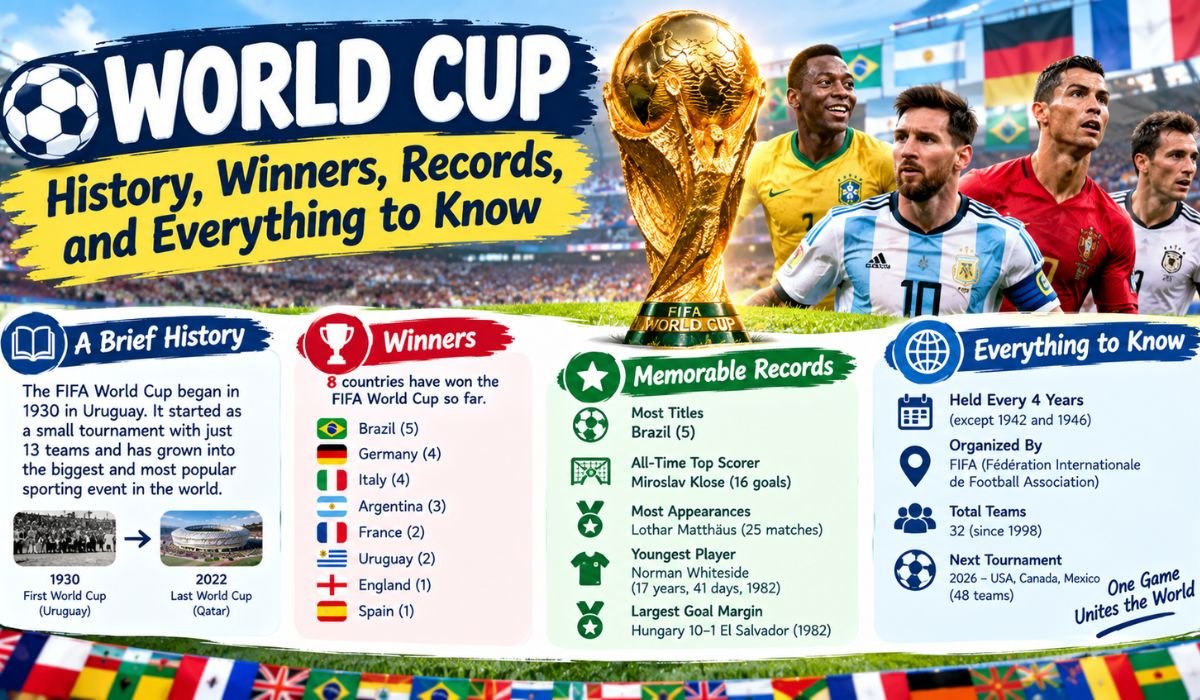
The FIFA Men’s World Cup Is The Organization’s Best-Known Competition. First Held In Uruguay In 1930, It Brings Together National Teams That Qualify Through Regional Competitions. The Tournament Has Developed Into A Major Global Event Watched By Fans Across Different Continents. In 2026, The Men’s World Cup Expanded To 48 Teams And Was Hosted Jointly By Canada, Mexico, And The United States, Creating A Larger Competition Than Previous Editions.
The FIFA Women’s World Cup Is Another Major International Tournament. Its First Edition Took Place In China In 1991, And The Competition Has Helped Increase The Visibility And Recognition Of Women’s Football. FIFA Also Organizes Youth World Cups, Including Under-17 And Under-20 Competitions, Which Give Emerging Players International Experience. The FIFA Club World Cup Brings Together Qualifying Clubs From Different Confederations, And Its Expanded 32-Team Format Debuted In 2025. FIFA Also Organizes Futsal And Beach Soccer World Cups, Demonstrating That Its Responsibilities Extend Beyond Traditional Eleven-A-Side Football.
How World Cup Qualification Works
World Cup Qualification Gives National Teams A Chance To Earn Places In The Final Tournament. FIFA Allocates Places To The Six Confederations, Which Organize qualifying competitions according to their own formats. Teams may play groups of matches, home-and-away fixtures, or other qualifying rounds before the successful sides secure their places. The exact format and number of qualifying places depend on the edition of the tournament.
Qualification Is Often One Of The Most Exciting Parts Of International Football Because Teams Must Perform Consistently Over Many Months Or Years. A National Team May Have To Compete Against Familiar Regional Rivals While Managing Player Availability, Travel, Injuries, And Pressure From Supporters. Host-Nation Arrangements Can Also Affect Qualification Requirements. For The 2026 Men’s World Cup, Canada, Mexico, And The United States Served As Joint Hosts Of The Expanded Tournament.
FIFA’s Rules And Responsibilities
FIFA Establishes Regulations For Its Competitions And Works To Ensure That Teams Follow The Applicable Requirements. These Include Rules Concerning Player Eligibility, Match Administration, Discipline, And Tournament Organization. FIFA Also Supports Refereeing Development And Uses Technologies Such As Video Assistant Referee, Or VAR, In Competitions Where It Has Been Implemented. Such Tools Can Help Officials Review Specific Decisions, Although They Do Not Eliminate Every Disagreement.
An Important Distinction Is That FIFA Does Not Independently Write Every Law Of Football. The International Football Association Board, Known As IFAB, Is Responsible For The Laws Of The Game. FIFA Participates In This System And Applies The Relevant Laws And Competition Regulations In Its Events. National Associations And Domestic Leagues Also Have Their Own Regulatory Responsibilities, Operating Within The Wider Framework Of International Football.
FIFA’s Support For Women’s And Youth Football
Football Development Is A Major Part Of FIFA’s Work. The Organization Supports Member Associations Through Funding Programs, Technical Assistance, Training Opportunities, And Infrastructure Projects. These Efforts Can Help Improve Playing Facilities, Develop Qualified Coaches, Strengthen Youth Systems, And Make Football More Accessible To Communities With Limited Resources. The Results Depend On How Programs Are Planned, Managed, And Applied Locally.
Women’s Football And Youth Development Are Particularly Important Areas. International Women’s Competitions provide players with greater visibility and help national associations invest in women’s teams and domestic opportunities. Youth tournaments allow promising players to gain experience against opponents from different football cultures. Although development takes time, long-term investment in coaching, safe facilities, grassroots participation, And Organized Competitions Can Strengthen Football At Every Level.
How FIFA Makes Money
FIFA Generates Revenue Primarily Through Broadcasting Rights, Sponsorships, Licensing, Ticketing, And Hospitality Connected To Its Competitions. The Men’s World Cup is especially important commercially because it attracts worldwide audiences and major commercial partners. Revenue Can Change Considerably Between Financial Cycles Because The Most Significant Tournaments Usually Take Place Every Four Years. This Means One Year’s Financial Results May Not Reflect The Organization’s Overall Performance Across A Full Cycle.
FIFA Reported More Than US$5.8 Billion In Revenue During The 2019–2022 Financial Cycle. That Figure Is Historical And Should Not Be Mistaken For Current Annual Revenue. FIFA Uses Its Resources To Operate Competitions, Maintain Its Administration, And Support Football Development. When Evaluating Its Finances, It Is Important To Separate Revenue From Profit, Operating Expenses, And Cash Reserves. Financial Transparency Helps The Public Understand How Money Generated By Global Football Is Managed And Distributed.
FIFA’s Global Impact
FIFA’s Influence Reaches Far Beyond The Football Pitch. Major Tournaments Can Attract Visitors, Create Temporary Employment, Support Tourism, And Encourage Investment In Transport And Sports Facilities. International Competitions Also Give Countries A Chance To Showcase Their Culture And Build A Shared Sense Of National Pride. However, These Benefits Are Not Automatic: Hosting Major Events Can Also Bring Significant Costs, Logistical Challenges, And Questions About The Long-Term Use Of New Infrastructure.
Football’s Cultural Impact Is Equally Important. FIFA Competitions Bring Together Supporters Who May Speak Different Languages Or Come From Very Different Backgrounds. The Women’s World Cup And Youth Competitions Also Help Expand Recognition Beyond The Men’s Senior Game. At The Same Time, FIFA’s Global Reach Makes Its Decisions Subject To Close Public Attention. The Organization’s Lasting Influence Depends Not Only On The Popularity Of Its Tournaments But Also On How Responsibly It Manages Its Authority.
FIFA Controversies And Governance Reforms
FIFA Has Faced Serious Criticism Over Governance, Transparency, And Corruption. The 2015 Crisis Involving Football Officials Led To Investigations, Legal Proceedings, Leadership Changes, And Increased Pressure For Reform. The Controversy Raised Questions About How International Football Decisions Were Made And How Commercial Relationships Were Supervised. It Also Strengthened Calls For Clearer Financial Reporting, Ethical Standards, And Independent oversight.
Other debates concern World Cup host selection, labor conditions, public spending, And The Social Effects Of Major Sporting Events. FIFA Also Has The Power To Suspend Member Associations In Certain Circumstances, Including Serious Governance Issues Or Improper Interference. Such Decisions Can Have Major Consequences For Players And Supporters, So They Require Clear Rules And Careful Explanation. A Balanced Assessment Should Distinguish Proven Findings From Allegations And Recognize That Governance Reform Is An Ongoing Process.
FIFA’s Identity And Interesting Facts
FIFA Uses An Official Logo, A Blue Flag, And An Anthem Associated With Its Competitions. These Elements Help Create A Recognizable Identity At International Matches And Tournaments. The Organization’s History Also Includes Several Milestones: It Was Founded In Paris In 1904, The First Men’s World Cup Was Held In Uruguay In 1930, And The First Women’s World Cup Took Place In China In 1991. Its 211 Member Associations Include Some Territories That Are Not Independent Sovereign States.
Another Common Source Of Confusion Is The Difference Between FIFA And UEFA. FIFA Is The Global Governing Body, While UEFA Is Responsible For European Football And Its Regional Competitions. The UEFA Champions League Is A European Club Tournament, Not A FIFA Competition. FIFA’s Formerly Branded football video game series is also separate from the governing organization; the video game franchise later continued under the EA Sports FC name. These distinctions help readers understand the different organizations and products connected with the sport.
Final Thoughts
FIFA Plays A Central Role In Connecting Football Across Countries, Organizing Major International Competitions, And Supporting The Development Of The Sport. Its History Shows How Football Grew From A European game into a global sporting culture followed by billions of people. Its tournaments create memorable moments, while its development programs can help national associations build stronger football systems.
However, FIFA’s influence also brings significant responsibilities. Transparent governance, responsible financial management, fair competition, And Respect For Players And Supporters Are Essential To Maintaining Public Trust. Understanding FIFA Means Looking Beyond The World Cup Trophy To The Organization, Rules, People, And Decisions That Shape International Football. As The Sport Continues To Evolve, FIFA’s Challenge Is To Encourage Its Global Growth While Remaining Accountable To The Football Community It Represents.
FAQs About FIFA
What Does FIFA Stand For?
FIFA Stands For Fédération Internationale De Football Association, Which Means International Federation Of Association Football. The Organization Uses Its French Name And Acronym Worldwide. It Governs International Association Football And Oversees Competitions In Traditional Football, Futsal, And Beach Soccer.
When Was FIFA Founded?
FIFA Was Founded On May 21, 1904, In Paris, France. Seven National Associations Were Involved In Its Establishment, And Robert Guérin Became Its First President. The Organization Was Created To Coordinate International Football And Has Since Developed Into A Global governing body.
Who Is The President Of FIFA In 2026?
Gianni Infantino Is FIFA’s President As Of 2026. He Was Elected On February 26, 2016. The President Leads The Organization And Represents It Internationally, While The FIFA Congress And Council Have Important Decision-Making And Strategic Responsibilities.
How Many Countries Are Members Of FIFA?
FIFA Has 211 Member Associations. This Number Is Greater Than The Number Of Independent Countries Because FIFA Membership Also Includes Certain Territories And Separate Football Associations. Membership Refers To Football Associations, So It Should Not Be Described As A Simple Count Of Sovereign Nations.
Where Is FIFA Headquarters Located?
FIFA’s Headquarters Are In Zurich, Switzerland. From There, Its Administration Coordinates International Competitions, Works With Member Associations, And Supports The Organization’s Global Responsibilities. FIFA Also Works With Its Six Continental Confederations, Which Manage Football Across Their Respective Regions.
What Is FIFA’s Most Famous Tournament?
The FIFA Men’s World Cup Is Its Most Famous Tournament. First Held In Uruguay In 1930, It Brings Together National Teams That Qualify Through Regional competitions. The FIFA Women’s World Cup, Club World Cup, Youth World Cups, Futsal World Cup, And Beach Soccer World Cup Are Also Important FIFA Competitions.
How Does FIFA Make Money?
FIFA Earns Money Through Broadcasting Rights, Sponsorships, Licensing, Ticketing, And Hospitality. The Men’s World Cup Generates Significant commercial revenue because of its worldwide audience. FIFA Also Uses Its Resources To Run Competitions, Cover Administrative Costs, And Support Football Development Programs Around The World.
What Is The Difference Between FIFA And UEFA?
FIFA Governs Football Internationally, While UEFA Oversees Football In Europe. FIFA Organizes The Men’s And Women’s World Cups, Whereas UEFA Organizes Competitions Such As The European Championship And Champions League. Both Organizations Have Different Responsibilities Within The Wider International Football System.
Learn more and explore exciting content on: Benjamin Netanyahu: Biography, Political Career, Family, and Legacy





Leave a Reply