
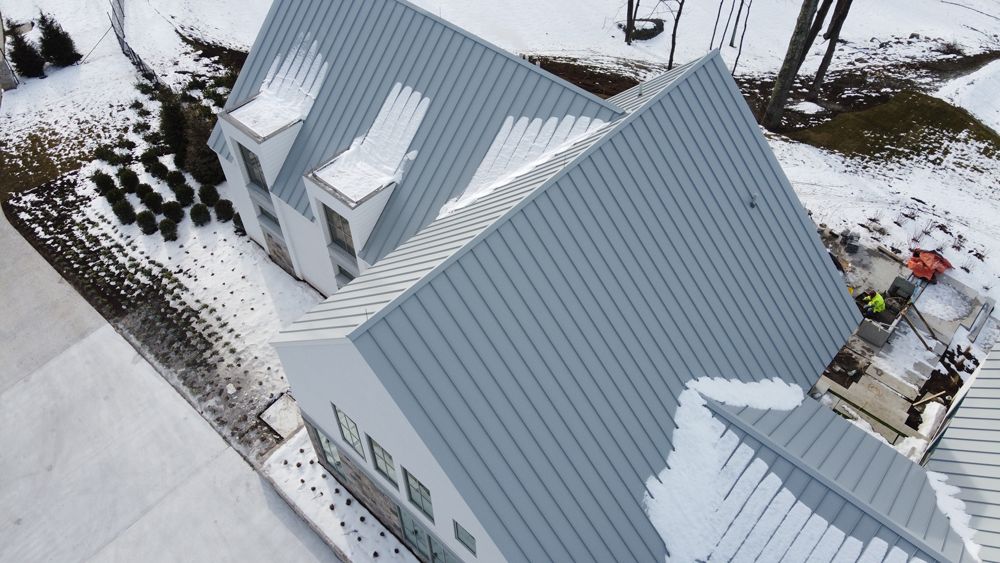
Snow accumulation on rooftops is a common concern for homeowners in colder climates, especially during the winter months. Metal roofs, known for their durability and sleek appearance, interact with snow differently than traditional roofing materials. When snow builds up on a metal roof, it can suddenly slide off in large sheets, a process known as snow shedding. This phenomenon can have significant implications for property safety, maintenance, and even the longevity of the roof itself. Understanding how snow shedding works and what it means for your home is essential for making informed decisions about roof care and winter preparedness.
Key points about snow shedding
How Metal Roofs Cause Snow to Shed
Metal roofs are designed with smooth surfaces that allow snow to slide off more easily than rougher materials like asphalt shingles. When temperatures rise even slightly, the snow in contact with the metal begins to melt, creating a thin layer of water that acts as a lubricant. This causes the snowpack to lose its grip and slide off the roof in large sheets. While this can help prevent excessive snow buildup and reduce the risk of roof collapse, it also means that snow can fall suddenly and with significant force. Homeowners should be aware that snow shedding can pose risks to people, pets, vehicles, and landscaping located below the eaves. Proper planning and awareness are crucial to minimize potential hazards associated with this natural process.
Risks and Safety Concerns for Homeowners
The sudden release of snow from a metal roof can create several safety concerns around the home. Large sheets of snow and ice can fall without warning, potentially causing injury to anyone standing below or damaging property such as cars, decks, or shrubs. In regions with heavy snowfall, the weight and speed of sliding snow can be substantial, making it important for homeowners to take precautions. Installing barriers or snow guards along the roof edge can help break up the snow as it slides, reducing the risk of large, dangerous avalanches. Additionally, homeowners should consider rerouting walkways and keeping high-traffic areas clear of potential snow shedding zones. Consulting with a Roofing Company Loveland can provide valuable insights into the most effective safety measures for your specific roof and property layout.
Preventing Damage to Property and Landscaping
Snow shedding from metal roofs can have a significant impact on the areas surrounding your home. When snow slides off in large quantities, it can crush shrubs, damage garden beds, and even harm hardscaping features like patios or retaining walls. Homeowners should assess the placement of valuable landscaping and outdoor structures in relation to the roof’s drip line. Relocating vulnerable plants or installing protective barriers can help minimize damage during the winter months. It is also important to regularly clear snow from walkways and driveways after a shedding event to maintain safe access to your home. By proactively managing the areas most likely to be affected, you can protect your property and reduce the need for costly repairs in the spring.
The Role of Snow Guards
Snow guards are devices installed on metal roofs to help control the movement of snow and ice. Their primary function is to hold snow in place, allowing it to melt gradually rather than sliding off all at once. This can be especially important for homes with entryways, driveways, or frequently used outdoor spaces directly below the roof edge. Snow guards come in various shapes and materials, and their placement should be carefully planned to ensure even distribution of snow load across the roof. While snow guards can significantly reduce the risks associated with snow shedding, they must be installed correctly to be effective. Homeowners should consult with roofing professionals to determine the appropriate type and configuration for their specific roof design and local climate conditions.
Maintenance Tips for Metal Roofs in Winter
Proper maintenance is essential for ensuring the safety and longevity of a metal roof during the winter season. Homeowners should regularly inspect their roofs for signs of damage, such as loose panels or fasteners, which can be exacerbated by the freeze-thaw cycle. Keeping gutters and downspouts clear of debris is also important, as blocked drainage can lead to ice dams and water infiltration. After heavy snowfall, it may be necessary to remove excess snow from the roof to prevent overloading, but this should be done carefully to avoid damaging the metal surface. Using a roof rake with a non-abrasive edge can help safely clear snow from accessible areas. Regular maintenance not only helps prevent issues related to snow shedding but also extends the overall lifespan of your metal roof.
When to Seek Professional Help
In some cases, the challenges posed by snow shedding may require professional intervention. If you notice persistent problems such as ice dams, leaks, or structural concerns, it is important to contact a qualified roofing contractor. Professionals can assess the condition of your roof, recommend appropriate solutions, and perform necessary repairs or upgrades. They can also advise on the installation of snow guards or other safety features tailored to your home’s unique needs. Attempting to address complex roofing issues without proper training can be dangerous and may lead to further damage. Relying on experienced professionals ensures that your roof remains safe and functional throughout the winter months.
Understanding Local Building Codes
Local building codes and regulations often dictate specific requirements for roofing materials and snow management systems. These codes are designed to ensure the safety and structural integrity of homes in areas prone to heavy snowfall. Homeowners should familiarize themselves with any applicable regulations before making modifications to their roofs or installing snow guards. In some cases, permits may be required for certain types of work. Consulting with local authorities or a reputable roofing contractor can help ensure that your home remains compliant with all relevant codes. Staying informed about local requirements not only protects your investment but also helps prevent potential legal or insurance issues down the line.
Conclusion
Snow shedding from metal roofs is a natural process that offers both benefits and challenges for homeowners. While it helps prevent excessive snow accumulation and reduces the risk of roof collapse, it can also create safety hazards and cause damage to property and landscaping. Understanding how snow interacts with metal roofing, taking proactive steps to manage risks, and maintaining your roof throughout the winter are all essential for protecting your home. By staying informed and working with qualified professionals when necessary, homeowners can enjoy the advantages of a metal roof while minimizing the potential downsides of snow shedding. Proper planning and regular maintenance are key to ensuring a safe and comfortable winter season for you and your family.















Leave a Reply