
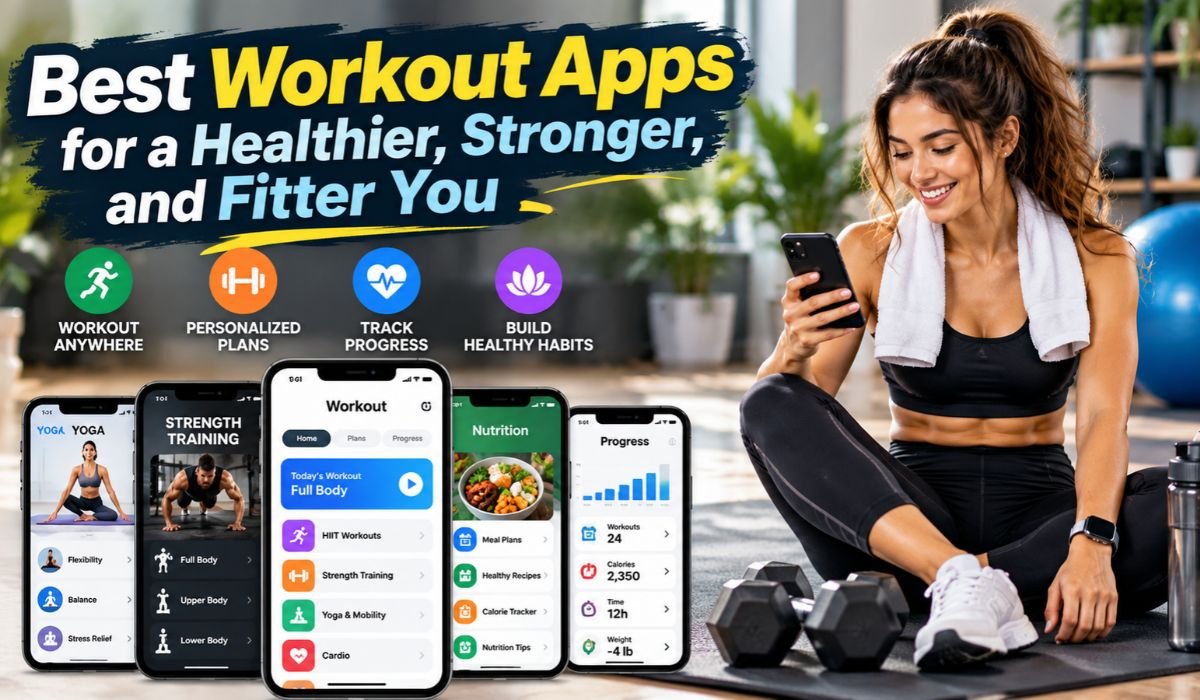
Staying healthy and physically active doesn’t have to mean spending hours at the gym. With the right fitness app, you can exercise at home, improve your strength, manage your weight, and build healthier habits around your daily schedule. Whether you’re just beginning your fitness journey or already enjoy regular training, workout apps can make exercise easier to understand and follow.
In 2026, the Health Best Workout Apps offer much more than basic exercise videos. Many include personalized workout plans, artificial intelligence, progress tracking, guided training, and nutrition support. Some focus on muscle building, while others specialize in walking, Pilates, or beginner-friendly routines.
Choosing the right app depends on your goals, budget, experience, and available equipment. This guide explores popular workout apps, their benefits, limitations, and the features that can help you build a healthier, stronger, and fitter lifestyle.
What Are Workout Apps and How Do They Work?
Workout apps are digital fitness platforms that guide users through exercises using smartphones, tablets, or compatible devices. They provide training instructions, workout schedules, exercise demonstrations, and tools for monitoring physical activity.
Most apps begin by asking about your fitness experience, goals, and preferred training style. Some also consider your available equipment and weekly schedule before suggesting a personalized workout plan.
For example, someone interested in building muscle might receive a resistance training program, while a beginner hoping to improve general fitness could start with walking and simple bodyweight exercises.
Many modern apps also record completed workouts, making it easier to follow progress and adjust exercise difficulty over time.
Why Workout Apps Are Popular in 2026
Convenience is one of the biggest reasons people choose fitness apps. Traditional gym routines can require travel, fixed schedules, and additional expenses. Home workout apps allow users to exercise whenever they have time.
Another advantage is accessibility. Beginners can follow guided routines without having to design their own training programs. Experienced users can track strength improvements, organize workouts, and explore different exercises.
AI workout apps have also introduced more personalized recommendations. Instead of following identical routines indefinitely, some platforms adjust future sessions according to recorded performance.
However, technology alone doesn’t produce fitness results. Regular exercise, suitable training intensity, proper recovery, and healthy habits remain essential.
Best Workout Apps at a Glance
Different workout apps serve different purposes. Caliber emphasizes structured strength training, while BetterMe provides low-impact exercise programs. TR(AI)NER focuses on customized weightlifting, and SHRED supports muscle-building routines.
Reverse Health offers wellness-oriented programs, particularly for women in midlife. WalkFit concentrates on walking, while Muscle Booster provides strength-focused training for home and gym users.
These applications offer different levels of personalization, instruction, and subscription access. Some provide limited free features, while others require payment for complete workout programs.
The best choice isn’t necessarily the most expensive platform. It’s the one that matches your fitness goals and encourages consistent exercise.
Quick Information About Workout Apps
Main Category
Health and Fitness
Primary Purpose
Guided Exercise
Popular Apps
Caliber and BetterMe
Strength Training
Caliber and SHRED
Weightlifting
TR(AI)NER
Low-Impact Exercise
BetterMe
Walking Workouts
WalkFit
Beginner Training
Muscle Booster
Midlife Wellness
Reverse Health
Workout Locations
Home and Gym
Equipment Needs
Varies by Program
Progress Tracking
Available in Many Apps
AI Personalization
Available in Select Apps
Nutrition Features
Available in Some Apps
Free Access
Varies by Provider
Premium Memberships
Often Subscription-Based
Coaching Support
Varies by Plan
Best Overall Choice
Depends on Personal Goals
Caliber: Best Workout App for Overall Fitness
Caliber is a strong option for people who want structured strength training and clear progress tracking. Its programming emphasizes progressive overload, which means gradually increasing training demands as strength improves.
The app provides an exercise library, workout logging, and tools for monitoring performance. Users can organize training sessions and review their progress without creating every routine from scratch.
Caliber also offers coaching services for people who want additional guidance and accountability. However, coaching costs should be distinguished from basic app access.
Its greatest strength is its organized approach to training. People who enjoy measurable goals and consistent routines may find Caliber especially useful.
BetterMe: Best Workout App for Low-Impact Exercise
BetterMe focuses on accessible fitness routines that can fit into everyday life. Its workout selection includes Pilates, wall Pilates, yoga, stretching, walking, and bodyweight training.
The platform may appeal to beginners or people who prefer exercising at home without complicated equipment. Its guided programs and reminders can make following a regular routine feel more manageable.
BetterMe also offers wellness and nutrition-related features, although availability depends on the subscription.
One consideration is its pricing structure. Some interactive features and additional services may require separate payments. Users should review subscription terms carefully before purchasing.
TR(AI)NER by Element 26: Best for Weightlifting
TR(AI)NER by Element 26 is designed for people who want customized weightlifting programs. Its AI-assisted system considers factors such as training goals, equipment availability, and experience.
This makes it useful for individuals who alternate between home workouts and gym sessions. The app can suggest exercises based on the equipment available in each setting.
Its programs emphasize strength development, muscle growth, and progressive training. Recording performance can help users understand when their workouts need adjustment.
However, AI-generated routines still require judgment. People with injuries or significant physical limitations should seek qualified guidance rather than relying entirely on automated recommendations.
SHRED: Best Workout App for Muscle Building
SHRED is a fitness platform designed around strength development and muscle-building workouts. It offers gym-based routines, home training, bodybuilding-style programs, and additional cardio options.
One of its notable features is adaptive programming. Users can provide feedback about workout difficulty, which may influence future exercise recommendations.
The app also includes workout guidance and community features that can help users remain motivated.
SHRED may be particularly appealing to people who want structured muscle-building plans without manually organizing every training session. Beginners, however, might need time to become comfortable with its numerous training options.
Reverse Health: Best for Weight Management
Reverse Health focuses on wellness and fitness programs aimed particularly at women over 40. Its exercise options include wall Pilates, chair yoga, gentle strength training, and other low-impact activities.
The platform emphasizes approachable routines that can be performed at home. This may appeal to people returning to exercise after a long break or looking for manageable daily movement.
Weight management involves more than completing workouts. Nutrition, sleep, activity levels, and individual health factors all influence results.
Reverse Health should therefore be viewed as a possible source of exercise structure and lifestyle support rather than a guaranteed weight-loss solution.
WalkFit: Best Workout App for Walking
Walking is one of the most accessible forms of physical activity, and WalkFit builds its training experience around that simplicity.
The app offers structured walking routines for indoor and outdoor exercise. This approach can help people who find traditional gym workouts intimidating or difficult to maintain.
Regular brisk walking can support cardiovascular fitness, endurance, and general well-being. Walking programs can also be adjusted according to individual ability.
Although WalkFit is sometimes included in free workout app comparisons, its complete programs may require a paid subscription. Users should check trial conditions and renewal charges before signing up.
Muscle Booster: Best Workout App for Beginners
Muscle Booster offers personalized strength-oriented training plans for people exercising at home or in the gym.
The platform aims to simplify workout planning by recommending routines based on user goals and available equipment. These may include bodyweight exercises, resistance training, and muscle-development programs.
Beginners can benefit from having a clear workout schedule instead of choosing random exercises each day.
Still, new users should start with manageable resistance and prioritize proper technique. Muscle Booster is free to download, but access to full programs generally requires a subscription.
How to Choose the Best Workout App
Choosing the right fitness app begins with understanding what you want to achieve. Someone interested in building muscle needs different programming from someone seeking gentle daily movement.
Your experience also matters. Beginners generally benefit from clear demonstrations, manageable workouts, and simple navigation. Experienced exercisers may prefer detailed tracking and greater customization.
Consider where you plan to exercise. Home workout apps should offer routines compatible with your available space and equipment.
Finally, compare costs carefully. A free trial can help you evaluate an app before committing to recurring payments.
The ideal platform should fit your lifestyle rather than forcing you to reorganize everything around exercise.
Essential Features of the Best Fitness Apps
Useful fitness apps provide more than attractive interfaces. Clear exercise instructions, suitable workout plans, and reliable progress tracking are particularly valuable.
Video demonstrations can help users understand movements, although they cannot replace individualized form assessment. Workout history makes it easier to monitor consistency and training improvements.
Reminders and scheduling features may also help people develop regular exercise habits.
Some applications connect with wearable devices to record activity and related measurements. Others include nutrition tracking or coaching.
Privacy deserves attention as well. Before connecting health information or wearable devices, users should review what data an app collects and how it is shared.
Free vs. Paid Workout Apps: Which Is Better?
Free workout apps can be useful for people who need basic exercise guidance, workout logging, or simple routines.
Premium apps may offer personalized training, larger exercise libraries, adaptive programming, and coaching services. However, paying more doesn’t automatically guarantee better results.
A beginner may achieve meaningful progress using free guided workouts and a consistent schedule. Someone with more specialized training goals might benefit from premium programming.
Before subscribing, check the renewal price, cancellation policy, and included features.
The best value comes from an app you genuinely use, not one with the longest feature list.
How AI Is Changing Workout Apps
Artificial intelligence is becoming an increasingly visible feature of modern fitness platforms.
AI-assisted systems can use training history, goals, equipment information, and workout feedback to recommend exercise routines. Some adjust repetitions, sets, or suggested resistance as users progress.
This can reduce the time spent planning workouts and make training more convenient.
Nevertheless, AI coaching has limitations. Automated systems may not accurately evaluate movement technique, pain, recovery needs, or medical concerns.
AI works best as a planning and tracking tool, supported by sensible exercise decisions and professional advice when necessary.
How to Get Better Results From Workout Apps
The most effective workout routine is one you can maintain consistently.
Start with realistic goals and choose sessions appropriate for your fitness level. A manageable weekly schedule is usually more sustainable than an ambitious routine that quickly becomes exhausting.
The World Health Organization recommends that adults aim for 150 to 300 minutes of moderate-intensity aerobic activity weekly, alongside muscle-strengthening activities on at least two days.
Beginners can gradually build toward these targets according to their abilities.
Remember that recovery, adequate sleep, balanced nutrition, and proper exercise technique also contribute to long-term progress. Avoid increasing workout intensity too quickly or ignoring persistent pain.
Are Workout Apps Worth Using?
Workout apps can be worthwhile for people who appreciate convenience, guidance, and organized training.
They make it easier to access exercise routines, monitor progress, and establish consistent habits without always needing a gym or personal trainer.
However, apps cannot guarantee fitness improvements. Results depend on regular participation, suitable exercise selection, and individual circumstances.
People managing injuries, medical conditions, or complex training needs may benefit from additional professional guidance.
Ultimately, a straightforward app that supports consistent exercise can be more valuable than an advanced platform that feels overwhelming.
Final Thoughts
The Health Best Workout Apps make it easier to bring structured exercise into everyday life. Whether your goal is building muscle, improving endurance, managing weight, or simply moving more, there are applications designed to support different needs.
Caliber offers organized strength training, BetterMe emphasizes accessible workouts, TR(AI)NER provides AI-assisted weightlifting plans, and SHRED focuses on muscle development. Reverse Health, WalkFit, and Muscle Booster offer additional approaches for specific fitness preferences.
The most important decision isn’t finding the app with the most features. It’s choosing one that fits your abilities, schedule, and long-term goals.
With realistic expectations, consistent effort, and healthy daily habits, a suitable workout app can become a helpful companion on your journey toward better fitness.
Frequently Asked Questions About Workout Apps
What Is the Best Workout App for Beginners?
Muscle Booster and BetterMe offer guided programs that may appeal to beginners. The better choice depends on whether you prefer strength training, low-impact exercise, or general fitness. Look for clear demonstrations and adjustable difficulty.
Which Workout App Is Best for Weight Loss?
Reverse Health and BetterMe offer exercise and wellness features that may support weight-management efforts. However, sustainable weight loss depends on several factors, including nutrition and overall activity. No workout app can guarantee a particular result.
Are Free Workout Apps Effective?
Yes. Free workout apps can provide useful exercise guidance and tracking tools. Their effectiveness depends more on workout quality, consistency, and suitability than subscription price.
Can Workout Apps Help Build Muscle?
Yes. Apps such as Caliber, SHRED, and TR(AI)NER provide structured resistance training programs. Muscle growth also requires progressive training, sufficient recovery, and appropriate nutrition.
What Is the Best Workout App for Home Exercise?
BetterMe offers a broad selection of home-friendly routines, including Pilates and bodyweight workouts. Muscle Booster and SHRED also provide home training options. The best choice depends on available equipment and preferred exercises.
Do Workout Apps Work Without Gym Equipment?
Many do. Walking, yoga, Pilates, and bodyweight strength exercises can often be performed with little or no equipment. However, some advanced strength programs require resistance equipment.
Are AI Workout Apps Reliable?
AI workout apps can help organize training and recommend exercise progressions. However, their suggestions aren’t always appropriate for every individual, especially when injuries or health concerns are involved.
How Often Should I Use a Workout App?
Usage depends on your training goals and experience. Some people follow structured workouts several days weekly, while others use walking or mobility programs more frequently. Include appropriate recovery and adjust your routine according to your abilities.
Learn more and explore exciting content on: Rachel Catudal: Inside Her Life, Career, Marriage, and Family Story















Leave a Reply