
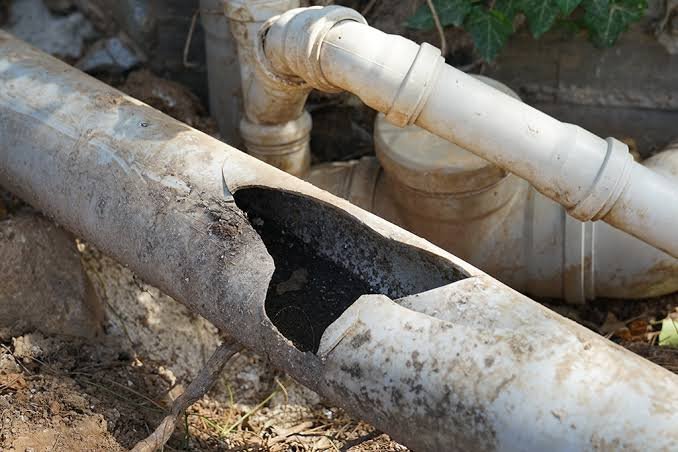
A properly functioning sewer system is essential for maintaining a clean, comfortable, and healthy property. However, sewer pipes can develop problems over time due to aging materials, environmental conditions, and everyday usage. Understanding the common causes of sewer damage and blockages can help homeowners recognize warning signs, arrange timely repairs, and avoid more complicated plumbing issues.
Tree Root Intrusion
Tree roots are among the common causes of underground sewer pipe damage. Roots naturally grow toward sources of moisture, and even a small leak around a pipe joint can attract them. Once roots reach an opening, they may enter the pipe and gradually expand.
As roots grow, they can restrict wastewater flow, collect debris, and place pressure on the pipe. In some cases, this may eventually lead to cracks or more extensive damage.
Homeowners should pay attention to recurring drain problems, unexplained wet areas in the yard, or unusually healthy patches of grass near underground pipes. If these signs appear, a professional assessment can help determine whether tree roots are involved.
Aging and Deteriorating Pipes
Like other parts of a property, sewer pipes have a limited service life. Older systems may be made from materials that deteriorate, corrode, or become less reliable as they age.
Ground movement, changing soil conditions, and years of regular use can also contribute to wear. As pipes weaken, they may develop cracks, loose connections, or sections that no longer maintain the correct alignment.
A sewer inspection can help identify visible problems inside accessible sections of the drainage system. Specialized camera equipment may allow a plumber to examine the pipe’s interior and locate areas that need attention without extensive excavation.
If a property has an older sewer system, reviewing available maintenance records and arranging an appropriate assessment can help homeowners understand its condition.
Grease and Improper Waste Disposal
Everyday household habits can contribute significantly to sewer blockages. Grease, cooking oil, food scraps, and unsuitable materials may accumulate inside pipes and gradually restrict water flow.
Although liquid grease may appear harmless when poured down a sink, it can cool and become thicker as it travels through the plumbing system. Over time, it may combine with other debris and create stubborn obstructions.
To reduce the risk of blockages:
- Dispose of cooking oil and grease in an appropriate container.
- Avoid washing large food scraps into kitchen drains.
- Use sink strainers to catch unwanted debris.
- Never flush wipes, sanitary products, or other unsuitable materials.
- Follow local waste disposal guidance.
Small changes in daily habits can help keep household drains working properly and reduce unnecessary plumbing problems.
Shifting Soil and Ground Movement
Sewer pipes are installed underground, which means they are affected by the conditions surrounding them. Soil expansion, shrinking, erosion, and natural ground movement can place pressure on buried pipes.
Heavy construction activity, nearby excavation, and changes in drainage patterns may also affect the stability of underground plumbing. If a pipe shifts out of alignment, wastewater may not flow smoothly through the system.
In some situations, displaced pipe sections can create low areas where waste and debris collect. These areas may eventually contribute to recurring blockages.
Homeowners who notice repeated drainage problems after nearby construction or significant ground movement should consider seeking professional advice.
Poor Installation and Incorrect Pipe Alignment
Not every sewer problem develops because of age or everyday use. Some issues begin during the original installation or a previous repair.
Incorrect pipe slopes, poorly connected joints, unsuitable materials, and inadequate support can interfere with normal wastewater movement. When pipes are not aligned properly, debris may collect instead of flowing toward the main sewer connection.
These problems can be difficult to identify from inside the home because the affected sections are often underground. Reviewing installation records and having the system assessed by a qualified plumber may help determine whether poor workmanship is contributing to the issue.
Warning Signs of Sewer Pipe Damage
Sewer problems often develop gradually, and recognizing early warning signs can help homeowners arrange professional attention before conditions become more complicated.
Common signs include:
- Multiple drains becoming slow at the same time.
- Gurgling sounds from toilets or sinks.
- Unpleasant odors coming from drains or outdoor areas.
- Water backing up into lower-level fixtures.
- Unusually wet or sunken patches in the yard.
- Recurring blockages despite routine drain cleaning.
These symptoms do not always indicate a damaged sewer pipe. However, repeated or widespread problems deserve attention because they may point to an issue in the main drainage line.
If wastewater backs up into the property, avoid using affected fixtures and contact a qualified plumbing professional promptly.
How Regular Maintenance Can Help
Preventive maintenance can reduce the likelihood of serious sewer problems. Homeowners should avoid flushing unsuitable materials, dispose of grease responsibly, and pay attention to changes in drainage performance.
It is also helpful to understand the age and material of the property’s sewer system. Keeping records of previous repairs and professional assessments makes it easier to recognize recurring issues.
For older properties or homes with repeated drainage concerns, a plumber may recommend periodic camera assessments. The appropriate schedule depends on the condition of the system, its age, and any previous problems.
Avoid relying on harsh chemical drain cleaners as a routine solution. Some products may damage certain plumbing materials, and they do not address underlying structural problems.
Why Professional Assessment Matters
When sewer problems persist, professional evaluation can help identify the actual cause instead of repeatedly treating the symptoms. A qualified plumber can determine whether the issue involves a localized blockage, root intrusion, pipe deterioration, or a more extensive drainage concern.
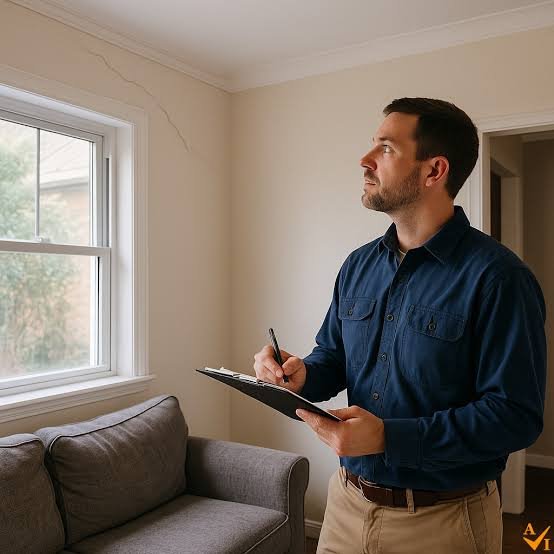
Homeowners researching Home Inspections Los Angeles County may also want to ask whether sewer line assessments are available as a separate service. A standard home inspection does not necessarily include a detailed sewer camera examination, so it is important to confirm the scope of any service before booking.
Understanding what is included helps homeowners choose the right assessment and make practical decisions about maintenance or repairs.
Conclusion
Sewer pipe damage can result from aging materials, tree roots, grease buildup, shifting soil, and installation problems. Recognizing warning signs and arranging professional assessments can prevent minor concerns from becoming larger repairs. Responsible waste disposal and regular maintenance also help protect drainage systems and support long-term property care.













Leave a Reply