
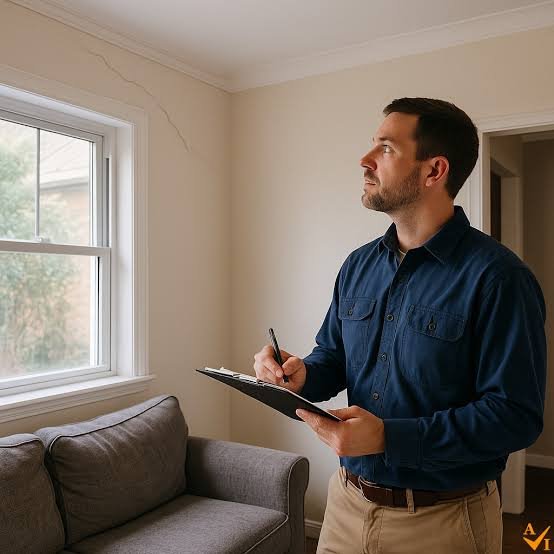
Buying a residential property is an important decision that deserves careful planning and attention. Whether you are purchasing your first home or considering another real estate investment, looking beyond the property’s appearance can help you avoid unexpected problems. A Condo inspection can be particularly useful when evaluating a condominium, while a thorough review of the property’s condition, location, and documents can help you make a confident decision.
Start by Understanding Your Property Needs
Before visiting properties, think about what you expect from your future home. Your household size, lifestyle, daily routine, and long-term plans can influence which property is suitable.
For example, a family may prioritize nearby schools, outdoor spaces, and multiple bedrooms, while someone working remotely may prefer a quiet neighborhood with a dedicated workspace.
Make a list of your essential requirements, such as:
- The number of bedrooms and bathrooms.
- A suitable kitchen and living area.
- Parking and storage facilities.
- Access to public transportation.
- Nearby schools, hospitals, and shops.
- Outdoor space or recreational facilities.
Separating essential features from optional preferences will make it easier to compare different properties.
Research the Neighborhood
A residential property’s location can affect everyday convenience, future resale opportunities, and overall living experience. Even a well-maintained house may not meet your expectations if important facilities are difficult to access.
Explore the neighborhood before making a decision. Check the distance to workplaces, educational institutions, healthcare facilities, grocery stores, and public transportation. You should also consider road conditions, parking availability, noise levels, and general surroundings.
Visiting the area at different times can provide a better understanding of its environment. A street that seems peaceful during the afternoon may become busy during evening commuting hours.
It is also helpful to research planned developments and infrastructure projects. These may influence the area’s future appeal, although development plans should not be treated as guaranteed improvements.
Examine the Property’s Structural Condition
A property’s appearance does not always reveal its actual condition. Fresh paint, modern furniture, and attractive decorations can make a home look appealing, but important structural concerns may remain hidden.
During your initial visit, pay attention to visible signs of damage. Look for cracks in walls, uneven floors, water stains, damaged ceilings, and doors or windows that do not close properly.
You should also examine the following areas:
- Roof and ceilings: Look for signs of leaks, damaged materials, or discoloration.
- Walls and floors: Check for unusual cracks, dampness, and uneven surfaces.
- Windows and doors: Make sure they open and close properly.
- Foundation: Ask about any known movement or previous structural repairs.
- Exterior areas: Review drainage, pathways, balconies, and visible building materials.
If you notice anything concerning, consider asking a qualified professional to investigate further. A specialist can provide a clearer assessment than a brief visual visit.
Check Plumbing and Electrical Systems
Plumbing and electrical systems are essential parts of a comfortable and functional home. Problems in these areas may create inconvenience and additional repair expenses after the purchase.
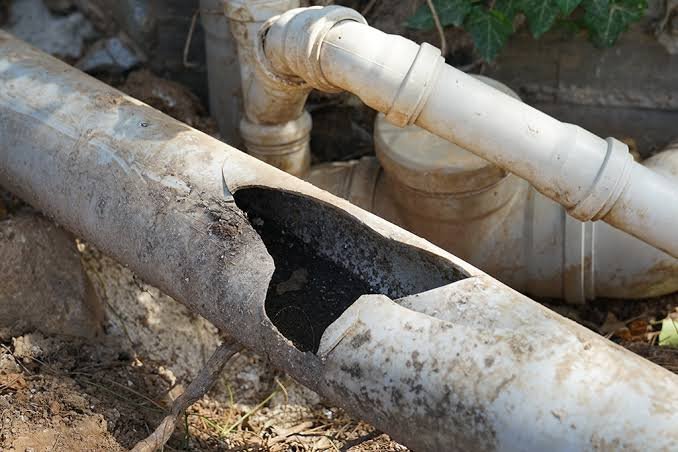
Turn on taps to check water pressure and drainage. Look beneath sinks for visible leaks and examine bathroom areas for signs of moisture. Ask whether the property has experienced recurring plumbing issues or water damage.
Electrical systems also deserve attention. Check switches, visible outlets, lighting fixtures, and the electrical panel where accessible. Ask about the age of the wiring and whether previous upgrades were completed professionally.
Avoid attempting technical repairs or opening electrical equipment yourself. A licensed electrician or plumber can assess concerns that require specialist knowledge.
Look for Moisture and Pest Problems
Moisture can affect walls, flooring, wooden materials, and indoor comfort. Common warning signs include musty odors, peeling paint, damp patches, and condensation around windows.
Pest concerns should also be considered, particularly in properties containing wooden structures or materials. Termites can damage susceptible timber, and their activity may not always be obvious during an ordinary viewing.
If you are concerned about pest activity, consider arranging an assessment with a qualified pest-control professional. When comparing services, research how much should a termite inspection cost in your area. The price may depend on property size, accessibility, inspection requirements, and the provider’s service scope.
Request a written estimate and clarify whether the assessment includes a report or recommendations for further treatment.
Review Property Documents and Ownership Details
Physical condition is only one part of evaluating a residential property. Its legal and administrative details are equally important.
Before proceeding, review the ownership documents, property boundaries, approved building plans, tax records, and any outstanding financial obligations. Confirm that the seller has the legal authority to transfer ownership.
For apartments and condominiums, request information about maintenance fees, building regulations, shared facilities, and planned repairs. These details can influence your ongoing responsibilities as an owner.
If any document is unclear, consult a qualified real estate lawyer or relevant professional rather than relying on verbal assurances.
Estimate the Total Cost of Ownership
The advertised purchase price does not represent the complete financial commitment. Buyers should account for additional expenses that may arise before and after moving into the property.
Common costs include:
- Legal and registration fees.
- Property taxes and insurance.
- Inspection and assessment charges.
- Utility connections and deposits.
- Maintenance and repair expenses.
- Moving and furnishing costs.
Create a realistic budget that includes an emergency reserve. This can help you manage unexpected repairs without putting unnecessary pressure on your finances.
Compare Properties Before Making an Offer
Avoid making a quick decision after viewing only one property. Compare several suitable options using consistent criteria, including location, condition, available facilities, legal status, and total ownership costs.
Take photographs where permitted and write down your observations after each visit. Ask the seller direct questions about previous repairs, renovations, water damage, and maintenance history.
A second visit can also help you notice details that were overlooked initially. If possible, bring a qualified professional to assess areas that require closer attention.
Conclusion
Evaluating a residential property involves more than checking its appearance and asking price. Research the neighborhood, examine important systems, review legal documents, and estimate ongoing expenses. Taking time to compare properties and seek professional advice can help you avoid surprises and make a practical, well-informed purchasing decision.













Leave a Reply