
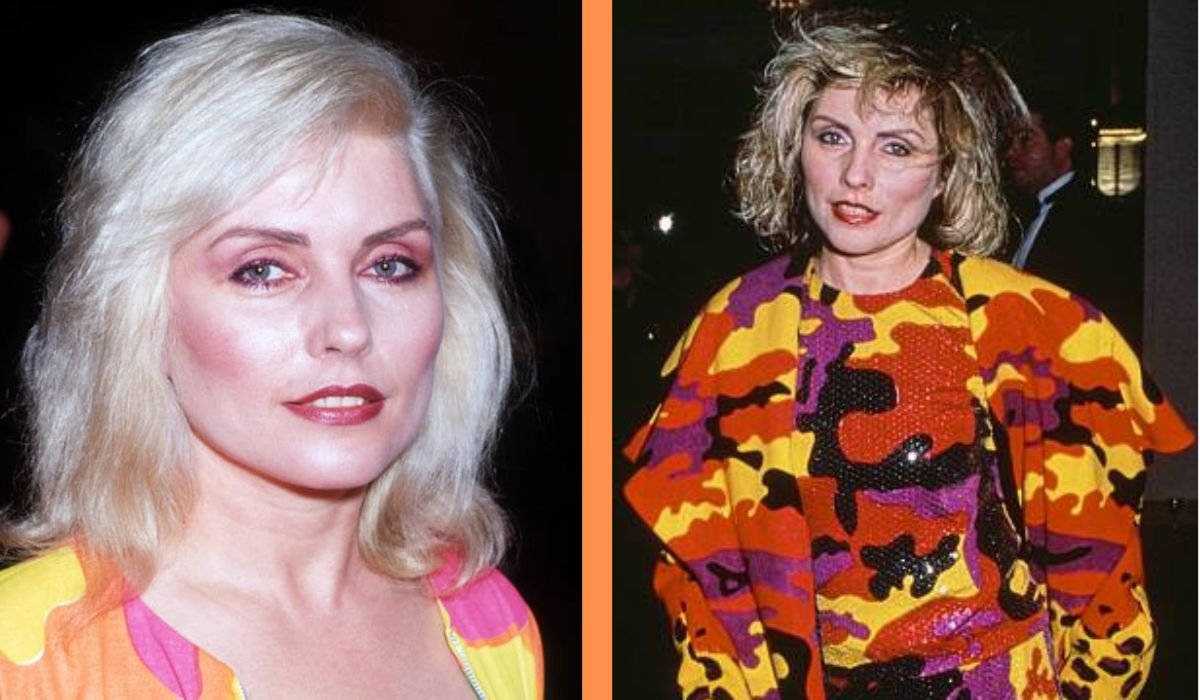
Few artists have influenced rock, punk, and new wave music quite like Debbie Harry. Known as the unforgettable voice of the legendary band Blondie, she became one of the most recognizable performers of the late 1970s and beyond. With her unique voice, fearless style, and ability to blend different musical genres, Debbie Harry helped change the direction of popular music.
Her journey, however, was not an overnight success story. Before becoming a global music icon, Debbie Harry experienced an unusual childhood, worked several ordinary jobs, and spent years finding her place in New York’s creative scene. From her early days as an aspiring singer to becoming known as the “Queen of New Wave,” her life reflects creativity, independence, and reinvention.
This Debbie Harry Biography explores her age, early life, Blondie success, famous songs, acting career, relationships, and lasting impact on music and culture.
Quick Bio Information: Debbie Harry
Full Name: Deborah Ann Harry
Birth Name: Angela Trimble
Born: July 1, 1945
Birthplace: Miami, Florida, United States
Age: 81 years old (as of 2026)
Profession: Singer, songwriter, actress
Known For: Lead vocalist of Blondie
Years Active: 1966–present
Genres: Rock, New Wave, Punk Rock, Pop, Disco, Hip-Hop Influenced Music
Education: Centenary College, New Jersey
Famous Band: Blondie
First Major Band: The Wind in the Willows
First Solo Album: KooKoo (1981)
Most Famous Song: “Heart of Glass”
Other Famous Songs: “Call Me,” “Rapture,” “The Tide Is High,” “Atomic”
Acting Debut: Union City (1980)
Famous Movie Role: Hairspray (1988)
Partner: Chris Stein (longtime creative partner)
Nationality: American
Nickname: Queen of New Wave
Debbie Harry Early Life: Adoption, Family Background, and Childhood
Debbie Harry was born as Angela Trimble on July 1, 1945, in Miami, Florida. When she was only three months old, she was adopted by Catherine and Richard Harry, who raised her in Hawthorne, New Jersey. Her adoptive parents gave her the name Deborah Ann Harry.
Growing up, Debbie eventually learned that she was adopted. The discovery became an important part of her personal story. Decades later, she searched for her biological mother and found her, although they did not develop a close relationship.
As a child, Debbie was known for her independent personality. She enjoyed exploring nature and described herself as something of a tomboy. Those early years helped shape the confidence and individuality that later became central to her public image.
Debbie Harry Age, Education, and Life Before Fame
Before becoming famous, Debbie Harry lived a very different life from the glamorous image fans would later recognize. After graduating from Hawthorne High School in 1963, she attended Centenary College in New Jersey, earning an Associate of Arts degree in 1965.
After college, Debbie moved to New York City, where she searched for creative opportunities. Like many artists, she worked several jobs while trying to enter the entertainment world.
Her early jobs included working as a secretary at BBC Radio’s New York office, a waitress at Max’s Kansas City, a go-go dancer, and a Playboy Bunny. These experiences introduced her to New York’s underground art and music communities, which would later influence her career.
How Debbie Harry Started Her Music Career
Debbie Harry’s professional music journey began before Blondie. In the late 1960s, she became a backing vocalist for the folk-rock group The Wind in the Willows, which released an album in 1968.
Although the group did not achieve major commercial success, it gave Debbie valuable experience in the recording industry.
In the early 1970s, she joined a band called The Stilettoes, where she met guitarist Chris Stein. Their creative partnership became one of the most important relationships in her career.
Together, Debbie and Chris moved toward a new musical direction that reflected the energy of New York’s growing punk scene.
The Formation of Blondie and Debbie Harry’s Rise
In 1974, Debbie Harry and Chris Stein formed the band that would become Blondie. The group started performing in New York clubs, including famous venues such as CBGB, which became a major center of the punk movement.
The name “Blondie” came from the nickname Debbie often received after bleaching her hair blonde. However, the band worked hard to make it clear that Blondie was a group, not simply a nickname for Debbie herself.
With her striking appearance, powerful vocals, and confident stage presence, Debbie quickly became the face of the band. But her success was not only based on image. Her songwriting ability and musical instincts helped shape Blondie’s unique sound.
Blondie’s Global Success and Music Breakthrough
Blondie released its first album in 1976, but the band reached international fame with the release of Parallel Lines in 1978. The album included the worldwide hit “Heart of Glass,” which became one of the defining songs of the era.
The band’s success continued with albums such as:
Plastic Letters (1978)
Eat to the Beat (1979)
Autoamerican (1980)
Blondie became famous for mixing different styles, including punk, pop, disco, reggae, and early hip-hop influences. This ability to experiment made the group stand out from other bands of the time.
Debbie Harry’s Most Famous Songs and Musical Achievements
Throughout her career, Debbie Harry has been connected with some of the most memorable songs in popular music.
“Heart of Glass” became a worldwide anthem, blending rock and disco in a way that helped define late-1970s music.
“Call Me,” recorded for the movie soundtrack American Gigolo, became another major hit.
“Rapture” was especially important because it became the first rap-oriented song to reach number one on the U.S. Billboard Hot 100. The song helped introduce hip-hop elements to a much wider audience.
Other famous Blondie songs include:
“Atomic”
“The Tide Is High”
“One Way or Another”
Debbie Harry Solo Career and Albums
After Blondie’s first run ended, Debbie Harry continued exploring music as a solo artist.
Her debut solo album, KooKoo, was released in 1981. Produced by Nile Rodgers and Bernard Edwards of Chic, the album achieved strong chart success.
She later released:
Rockbird (1986)
Def, Dumb and Blonde (1989)
Debravation (1993)
Her solo work allowed her to experiment with different sounds while maintaining the creative identity that made her famous.
The song “French Kissin’ in the USA” became one of her biggest solo successes, while “I Want That Man” gained popularity internationally.
Debbie Harry Movies and Acting Career
Debbie Harry also built an impressive acting career outside music. She appeared in several films and showed that her creativity extended beyond singing.
Her notable movies include:
Union City (1980) – One of her first leading film roles.
Videodrome (1983) – A science-fiction horror film directed by David Cronenberg, where her performance received critical attention.
Hairspray (1988) – A cult classic directed by John Waters, where she played Velma Von Tussle.
Body Bags (1993)
Heavy (1995)
Cop Land (1997)
She continued appearing in independent films during the 2000s, including Deuces Wild, Spun, My Life Without Me, and Elegy.
Debbie Harry and Chris Stein Relationship
Chris Stein played an important role in both Debbie Harry’s personal and professional life. The two met during the early days of her music career and became creative partners in Blondie.
Their relationship influenced the band’s development, but they eventually separated romantically while remaining connected through music.
When Chris Stein became seriously ill with a rare autoimmune condition in the early 1980s, Debbie stepped back from some projects to support him.
Debbie Harry’s Fashion Influence and Cultural Impact
Debbie Harry was never only a singer. She became a symbol of style and individuality.
Her platinum blonde hair, punk-inspired clothing, and fearless attitude helped define the visual identity of the new wave era.
Artists, designers, and musicians have continued to draw inspiration from her unique style. She showed that female performers could be both commercially successful and creatively independent.
Her influence reaches beyond music into fashion and popular culture.
Blondie Reunion and Debbie Harry’s Later Career
After separating in the 1980s, Blondie reunited in the late 1990s. The band released No Exit in 1999 and continued creating new music.
Later albums included:
The Curse of Blondie (2003)
Panic of Girls (2011)
Ghosts of Download (2014)
Pollinator (2017)
The group’s continued success showed that Debbie Harry’s appeal remained strong across multiple generations.
Debbie Harry’s Legacy and Influence
Debbie Harry’s career represents decades of musical innovation. She helped bring punk and new wave music into the mainstream while also embracing disco and hip-hop influences.
She became a role model for artists who wanted to challenge traditional ideas about music, fashion, and identity.
From Blondie’s biggest hits to her acting career and cultural influence, Debbie Harry remains one of the most important female figures in modern music history.
Final Thoughts
Debbie Harry’s story is one of transformation, creativity, and resilience. From her unusual childhood and early struggles in New York to becoming the voice of Blondie, she built a career that continues to inspire millions.
Her ability to combine different musical styles, challenge expectations, and remain authentic has secured her place as one of the greatest artists of her generation. Debbie Harry is not only a singer but also a cultural symbol whose influence continues to grow.
Frequently Asked Questions About Debbie Harry
How Old Is Debbie Harry?
Debbie Harry was born on July 1, 1945. She is 81 years old in 2026 and continues to be recognized as one of the most influential figures in rock and new wave music.
What Is Debbie Harry Famous For?
Debbie Harry is best known as the lead singer of Blondie. She became famous for songs such as “Heart of Glass,” “Call Me,” and “Rapture.”
What Are Debbie Harry’s Most Famous Songs?
Her most famous songs include “Heart of Glass,” “Call Me,” “Rapture,” “Atomic,” “The Tide Is High,” and “One Way or Another.”
Is Debbie Harry Still With Blondie?
Yes. Debbie Harry remains connected with Blondie and continues to be associated with the band’s ongoing legacy and musical projects.
What Movies Has Debbie Harry Appeared In?
Debbie Harry has appeared in movies including “Videodrome,” “Hairspray,” “Union City,” “Heavy,” and “Cop Land.”
Was Debbie Harry Married?
Debbie Harry has never been married. Her longest-known relationship was with Blondie guitarist Chris Stein.
Why Is Debbie Harry Considered A Music Icon?
Debbie Harry is considered a music icon because she helped shape new wave music, influenced fashion, and inspired generations of performers.
Learn more and explore exciting content on: Lauren Sanchez Biography: Age, Career, Husband Jeff Bezos, Family, and Life Story



Leave a Reply