
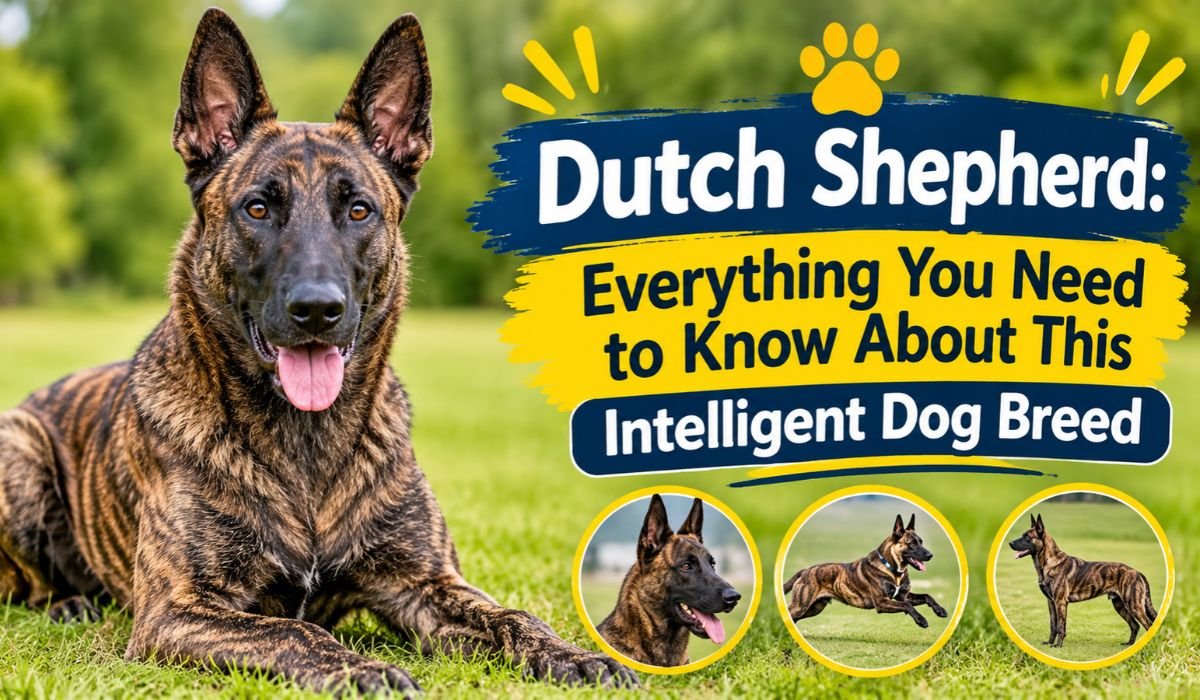
The Dutch Shepherd Is An Intelligent, Athletic, And Versatile Dog Breed Known For Its Loyalty, Brindle Coat, And Impressive Working Abilities. Originally Developed In The Netherlands, This Breed Was Used By Farmers And Shepherds To Manage Livestock, Protect Crops, And Perform Everyday Farm Duties. Today, The Dutch Shepherd Has Become A Valued Companion And Working Dog, Recognized For Its Intelligence, Alertness, And Ability To Learn Complex Tasks.
What Makes The Dutch Shepherd Special Is Its Combination Of Strength, Independence, And Trainability. It Can Participate In Activities Such As Obedience, Tracking, Agility, Herding, And Police Work. However, This Energetic Breed Needs More Than Basic Care. It Requires Regular Exercise, Mental Stimulation, Consistent Training, And An Owner Who Understands Its Working Instincts.
Whether You Are Considering Adopting A Dutch Shepherd Puppy Or Simply Want To Learn More About This Remarkable Breed, Understanding Its History, Personality, Appearance, Health, And Daily Needs Can Help You Make An Informed Decision.
Dutch Shepherd Quick Bio Information
| Category | Information |
|---|---|
| Breed Name | Dutch Shepherd |
| Alternative Names | Hollandse Herder, Dutch Herder |
| Country Of Origin | Netherlands |
| Breed Group | Herding |
| Original Purpose | Livestock Herding And Farm Work |
| Average Height | Approximately 22–25 Inches |
| Male Height | 57–62 Cm |
| Female Height | 55–60 Cm |
| Common Weight Range | Approximately 50–70 Pounds |
| Coat Types | Short-Haired, Long-Haired, Rough-Haired |
| Recognized Colour | Brindle |
| Common Base Colours | Golden And Silver |
| Personality | Intelligent, Alert, Active, And Loyal |
| Energy Level | High |
| Trainability | High |
| Grooming Needs | Depends On Coat Type |
| Exercise Needs | High |
| Common Health Concerns | Hip Dysplasia, Allergies, And Certain Genetic Conditions |
| Historical Breed Standard | 1898 |
| Distinctive Brindle Standard | 1914 |
What Is A Dutch Shepherd?
The Dutch Shepherd Is A Medium-Sized Herding Dog That Originated In The Netherlands. It Was Traditionally Kept By Farmers Who Needed A Dependable Animal Capable Of Managing Livestock And Handling Different Farm Responsibilities. Unlike Dogs Developed For Only One Specific Task, The Dutch Shepherd Became Known For Its Versatility And Ability To Adapt To Changing Working Conditions.
Its Muscular Body, Alert Expression, And Distinctive Brindle Coat Give It A Recognizable Appearance. The Breed Is Also Appreciated For Its Intelligence And Strong Work Ethic. Dutch Shepherds Can Learn Commands Quickly And Often Enjoy Having A Clear Purpose. Although They Can Become Affectionate Family Companions, Their Natural Working Instincts Remain An Important Part Of Their Personality.
The History And Origin Of The Dutch Shepherd
The Dutch Shepherd Developed In The Rural Regions Of The Netherlands, Where Sheep Farming And Agriculture Were Important Parts Of Everyday Life. Farmers Needed Dogs That Could Control Livestock, Protect Crops, And Work Independently Without Requiring Constant Direction. The Dutch Shepherd Naturally Became Valuable Because It Could Perform Several Responsibilities Around A Farm.
The First Official Breed Standard Was Established In 1898, When Different Coat Colours Were Accepted. In 1914, The Standard Was Changed To Require Brindle Colouring. This Decision Helped Distinguish The Dutch Shepherd From Similar European Herding Breeds, Including The German Shepherd And Belgian Shepherd. Over Time, These Breeds Developed Separate Standards And Characteristics.
How The Dutch Shepherd Survived Near-Extinction
The Dutch Shepherd Faced A Serious Decline During The Twentieth Century. Modern Agricultural Equipment And Changing Farming Practices Reduced The Need For Traditional Sheepdogs. World War II Created Additional Problems Because Food Shortages, Interrupted Breeding Programs, And The Loss Of Valuable Bloodlines Reduced The Breed’s Population.
After The War, Dedicated Breeders Worked To Rebuild The Dutch Shepherd Population. Carefully Selected Dogs Were Used To Improve Genetic Diversity And Preserve The Breed’s Working Qualities. In 1959, A Belgian Laekenois Was Introduced With Permission From The Breed Club To Support The Rough-Haired Variety. Although The Breed Gradually Recovered, It Remains Relatively Rare Compared With Several Other Popular Shepherd Breeds.
Dutch Shepherd Appearance And Physical Characteristics
The Dutch Shepherd Has A Strong, Athletic, And Well-Balanced Body Designed For Physical Activity. Its Muscular Structure Supports Running, Jumping, Turning, And Working For Extended Periods. It Usually Has A Wedge-Shaped Head, Upright Ears, Dark Expressive Eyes, And An Alert Facial Expression.
Adult Dutch Shepherds Generally Stand Around 22–25 Inches At The Shoulder. Under The Commonly Cited Breed Measurements, Males Measure Approximately 57–62 Cm, While Females Measure Around 55–60 Cm. Weight Figures Can Vary Between References, But Many Adult Dogs Fall Around 50–70 Pounds. Individual Size Depends On Genetics, Sex, Nutrition, And Overall Body Condition.
The Three Dutch Shepherd Coat Types
One Of The Most Interesting Features Of The Dutch Shepherd Is Its Three Recognized Coat Varieties. The Short-Haired Variety Has A Close-Fitting, Relatively Hard Outer Coat With A Woolly Undercoat. It Has A Practical Appearance And Generally Requires Less Brushing Than The Other Varieties.
The Long-Haired Dutch Shepherd Has A Straight, Longer Coat That Lies Close To The Body. Its Neck, Tail, And Rear Legs Often Have More Noticeable Feathering. Regular Brushing Helps Prevent Tangles And Keeps The Coat Healthy. The Rough-Haired Variety Has A Dense, Tousled Outer Coat With A Woolly Undercoat. Its Distinctive Beard, Moustache, And Rough Eyebrows Give It A Different Facial Appearance. Each Variety Has Similar Working Instincts, Although Its Grooming Requirements Differ.
Dutch Shepherd Colours And Brindle Patterns
The Brindle Pattern Is The Most Recognizable Colour Feature Of The Dutch Shepherd. Its Basic Coat Colour Can Be Golden Or Silver, With Shades Ranging From Light Sand To Rich Chestnut Red. Dark Stripes Create The Characteristic Brindle Appearance Across The Body.
A Black Facial Mask Is Preferred Under The Breed Standard. The Brindle Pattern Should Be Visible Across The Body, Including The Neck, Tail, And Rear Coat Areas. Excessive White Markings On The Chest And Feet Are Generally Undesirable. A True Silver Brindle Is Particularly Uncommon, Making This Colour Variation Interesting To Breed Enthusiasts.
Dutch Shepherd Temperament And Personality
The Dutch Shepherd Is Known For Its Intelligence, Alertness, Independence, And Strong Working Drive. These Dogs Often Enjoy Having Activities That Challenge Their Minds And Bodies. They Can Become Deeply Attached To Their Families And Usually Respond Well To Owners Who Provide Consistent Guidance.
Their Natural Awareness Makes Them Attentive To Unfamiliar People And Changes In Their Environment. However, Being Alert Does Not Automatically Mean A Dutch Shepherd Is Aggressive. Proper Training And Socialization Help It Learn Appropriate Responses To Different Situations. Its Behaviour Around Children And Other Pets Depends On Individual Temperament, Early Experiences, And Responsible Supervision.
Dutch Shepherd Intelligence And Working Abilities
Dutch Shepherds Are Highly Trainable Dogs That Often Perform Well In Activities Requiring Concentration, Coordination, And Problem-Solving. Their Traditional Herding Background Helped Develop Their Ability To Follow Instructions While Also Making Independent Decisions.
Today, They Can Be Found In Different Working Environments, Including Police Activities, Tracking, Search Operations, Obedience Competitions, And Dog Sports. Their Athletic Ability And Willingness To Learn Make Them Suitable For Structured Tasks. However, Their Intelligence Also Means They Can Become Bored When Their Daily Routine Lacks Variety. Giving Them Regular Challenges Helps Maintain Good Behaviour And Engagement.
Dutch Shepherd Training And Socialization
Training Is An Important Part Of Raising A Well-Behaved Dutch Shepherd. Because This Breed Is Intelligent And Energetic, It Usually Benefits From Short, Consistent, And Reward-Based Training Sessions. Positive Reinforcement, Clear Commands, And Appropriate Boundaries Help Dogs Understand What Their Owners Expect.
Puppy Training Should Begin With Basic Skills Such As Name Recognition, Recall, Leash Manners, House Training, And Simple Obedience Commands. Early Socialization Is Equally Important. Gradually Introducing A Puppy To Different People, Animals, Sounds, And Environments Can Help Build Confidence. Some Dutch Shepherds May Display Strong Herding Instincts, Excessive Excitement, Or Independent Behaviour. Patient Training And Appropriate Mental Activities Can Help Manage These Tendencies.
Dutch Shepherd Exercise And Daily Activity Requirements
The Dutch Shepherd Is An Active Working Breed That Needs Regular Physical Exercise. A Short Walk May Not Be Enough To Satisfy Its Energy Levels, Particularly When The Dog Has A Strong Working Drive. Activities Such As Running, Hiking, Fetch, Agility, And Structured Obedience Exercises Can Help Keep It Physically Fit.
Mental Stimulation Is Just As Important As Physical Activity. Puzzle Toys, Scent Games, Tracking Exercises, And Interactive Training Give The Dog Opportunities To Use Its Natural Abilities. Puppies Should Avoid Excessive Forced Exercise While Their Bones And Joints Are Developing. Older Dogs May Also Need Adjustments To Their Activity Routine According To Their Health And Mobility.
Dutch Shepherd Diet And Nutritional Requirements
A Balanced Diet Helps Support The Dutch Shepherd’s Muscles, Energy Levels, Healthy Weight, And Overall Development. Owners Should Choose Complete And Balanced Dog Food Appropriate For The Animal’s Age, Size, And Activity Level. Puppies Need Nutrition Designed For Growth, While Adults Require Food That Maintains Their Body Condition Without Providing Excessive Calories.
Feeding Portions Should Be Based On The Dog’s Individual Needs Rather Than A Fixed Amount For Every Animal. Fresh Drinking Water Should Always Be Available. Treats Can Be Useful During Training, But Excessive Treats May Contribute To Weight Gain. Owners Should Monitor Their Dog’s Body Condition And Consult A Veterinarian When Adjusting Its Diet.
Dutch Shepherd Grooming And General Care
Grooming Requirements Depend On The Coat Variety. Short-Haired Dutch Shepherds Usually Need Occasional Brushing To Remove Loose Hair And Dirt. Long-Haired Dogs Benefit From More Frequent Brushing To Prevent Tangles, Particularly Around Their Feathering And Tail. Rough-Haired Dogs Need Appropriate Coat Maintenance To Preserve Their Characteristic Texture.
Regular Bathing When Necessary Helps Keep The Coat Clean, But Excessive Washing Can Dry The Skin. Owners Should Also Pay Attention To Dental Hygiene, Nail Length, And Ear Cleanliness. Brushing The Teeth Regularly And Checking The Ears Can Help Identify Problems Early. Good Grooming Is Not Only About Appearance; It Also Provides An Opportunity To Notice Skin Irritation, Lumps, Or Other Changes.
Common Dutch Shepherd Health Problems
Dutch Shepherds Are Generally Considered A Relatively Healthy Working Breed, But They Can Develop Inherited And General Health Conditions. Hip Dysplasia And Elbow Dysplasia Are Important Joint Concerns. These Conditions Can Affect Movement And Cause Discomfort, Especially As A Dog Gets Older.
Orthopedic Foundation For Animals Data Reported In The Supplied Breed Information Found Hip Dysplasia In Approximately 9% Of 705 Evaluated Dogs And Elbow Dysplasia In 5.5% Of 667 Evaluated Dogs Between January 1974 And March 2023. These Results Describe Evaluated Animals Rather Than The Entire Breed Population.
Other Reported Conditions Include Atopy, Masticatory Myositis, Pannus, Cryptorchidism, And Inflammatory Bowel Disease. Rough-Haired Dutch Shepherds Require Particular Attention To Goniodysplasia Screening Because Abnormal Eye Fluid Drainage Can Increase The Risk Of Glaucoma And Vision Loss. Regular Veterinary Examinations And Responsible Breeding Practices Can Help Identify Potential Problems.
Dutch Shepherd Inflammatory Myopathy
Inflammatory Myopathy Is An Important Inherited Health Condition Identified In The Dutch Shepherd. Research By The University Of Minnesota Canine Genetics Laboratory Mapped The Disease In 2018. It Causes Progressive Inflammation And Damage To Skeletal Muscles, Which Can Affect A Dog’s Strength And Movement.
Early Signs Usually Appear Between Three And Eight Months Of Age. Affected Puppies May Develop A Bunny-Hopping Gait, Stiff Rear Legs, Muscle Tremors, Weakness, And Progressive Muscle Loss. The Condition Follows An Autosomal Recessive Inheritance Pattern, Meaning A Puppy Must Inherit The Disease-Associated Mutation From Both Parents To Develop It. DNA Testing Helps Breeders Identify Carrier Dogs And Make More Informed Breeding Decisions. If One Parent Is Genetically Clear, Affected Puppies Will Not Be Produced through this particular recessive mutation.
Dutch Shepherd Lifespan And Preventive Healthcare
A Dutch Shepherd Commonly Has A Life Expectancy Of Around 11–14 Years, Although Individual Lifespan Depends On Genetics, Nutrition, Healthcare, And Lifestyle. Maintaining A Healthy Weight And Providing Appropriate Exercise Can Support Long-Term Well-Being.
Preventive Healthcare Includes Regular Veterinary Checkups, Vaccinations, Parasite Prevention, Dental Care, And Appropriate Screening For Inherited Conditions. Owners Should Also Pay Attention To Changes In Appetite, Walking, Energy, Skin Condition, And Behaviour. Early Veterinary Attention Can Make A Difference When Health Problems Develop.
Dutch Shepherd As A Family Companion
A Dutch Shepherd Can Become A Loyal And Rewarding Family Companion For The Right Household. It Often Enjoys Spending Time With Its Owners And Participating In Family Activities. However, Its High Energy Levels And Working Instincts May Make It Challenging For People Who Prefer A Relaxed, Low-Maintenance Pet.
Apartment Living Is Not Automatically Impossible, But It Requires A Serious Commitment To Exercise, Training, And Mental Enrichment. Having A Large Yard Does Not Replace Daily Interaction And Structured Activities. First-Time Owners Should Carefully Consider Whether They Can Meet The Breed’s Needs Before Bringing One Home.
Dutch Shepherd Vs. German Shepherd
The Dutch Shepherd And German Shepherd Share A Common Herding Background And Several Physical And Behavioural Qualities. Both Breeds Are Intelligent, Athletic, And Capable Of Performing Demanding Working Tasks. However, They Have Different Breed Standards And Recognizable Physical Characteristics.
The Dutch Shepherd Is Best Known For Its Brindle Coat And Three Coat Varieties, While The German Shepherd Is Commonly Recognized By Its Black And Tan Appearance, Although It Comes In Other Colours Too. Their Body Proportions, Breed Histories, And Temperament Tendencies Also Differ. Neither Breed Is Automatically Better; The Right Choice Depends On The Owner’s Experience, Lifestyle, And Expectations.
How To Find A Healthy Dutch Shepherd Puppy
Finding A Healthy Dutch Shepherd Puppy Requires Careful Research. Prospective Owners Should Look For Responsible Breeders Who Provide Information About The Parents, Health History, Temperament, And Breeding Practices. Health Screening Is Particularly Important For Hip And Elbow Conditions, Eye Health, And Inflammatory Myopathy.
A Trustworthy Breeder Should Be Comfortable Discussing Genetic Testing And Allowing Buyers To Understand The Puppy’s Background. Avoid Choosing A Puppy Only Because Of Its Colour Or Appearance. Meeting The Parents When Possible And Observing How Puppies Interact With Their Environment Can Provide Useful Information. Adoption Through Reputable Rescue Organizations Is Another Option, Particularly For People Interested In Adult Dutch Shepherds.
Conclusion
The Dutch Shepherd Is A Remarkable Dog Breed That Combines Intelligence, Athleticism, Loyalty, And A Strong Working Background. Originally Developed To Help Dutch Farmers Manage Livestock, It Has Adapted To Modern Roles In Obedience, Tracking, Police Work, And Family Life. Its Distinctive Brindle Coat And Three Coat Varieties Make It Especially Recognizable.
However, Owning A Dutch Shepherd Requires Commitment. It Needs Consistent Training, Regular Exercise, Mental Challenges, Grooming, And Preventive Healthcare. Prospective Owners Should Also Understand Its Genetic Health Risks And Choose Responsible Breeding Or Adoption Options.
For Active People Who Can Provide Structure, Attention, And Purpose, The Dutch Shepherd Can Be A Loyal And Rewarding Companion. Understanding Its Needs Before Bringing One Home Is The Best Way To Build A Healthy And Lasting Relationship With This Intelligent Breed.
FAQs About Dutch Shepherds
Is A Dutch Shepherd A Good Family Dog?
Yes, A Dutch Shepherd Can Be A Good Family Companion When Properly Trained And Socialized. It Often Develops Strong Relationships With Its Owners. However, Its Energy And Working Instincts Mean It Needs Regular Exercise, Attention, And Consistent Guidance.
How Big Does A Dutch Shepherd Get?
Adult Dutch Shepherds Generally Stand Around 22–25 Inches At The Shoulder. Males Are Typically Slightly Taller Than Females. Their Weight Often Falls Around 50–70 Pounds, Although Individual Measurements Can Vary.
What Are The Three Types Of Dutch Shepherds?
The Three Coat Varieties Are Short-Haired, Long-Haired, And Rough-Haired. They Share The Same General Breed Characteristics But Have Different Coat Textures And Grooming Requirements.
Are Dutch Shepherds Easy To Train?
Dutch Shepherds Are Intelligent And Usually Learn Commands Quickly. However, Their Independence And High Energy Can Make Training Challenging Without Consistency. Positive Reinforcement, Early Socialization, And Regular Mental Stimulation Are Important.
Do Dutch Shepherds Have Health Problems?
They Can Develop Hip Dysplasia, Elbow Dysplasia, Allergies, Eye Conditions, And Certain Inherited Diseases. Inflammatory Myopathy Is A Particularly Important Genetic Concern. Responsible Breeding And Appropriate Veterinary Screening Help Reduce Health Risks.
How Much Exercise Does A Dutch Shepherd Need?
Dutch Shepherds Need Regular Daily Physical Activity And Mental Stimulation. Walking, Running, Fetch, Agility, Tracking, And Training Games Can Help Meet Their Needs. The Exact Routine Should Match The Dog’s Age, Fitness, And Health.
Are Dutch Shepherds Rare?
Yes, Dutch Shepherds Are Considered Relatively Rare Compared With More Popular Shepherd Breeds. Their Population Declined During The Twentieth Century, And Dedicated Breeders Have Continued Working To Preserve Their Health And Genetic Diversity.
How Long Do Dutch Shepherds Live?
A Dutch Shepherd Commonly Lives Around 11–14 Years. Genetics, Nutrition, Exercise, Preventive Healthcare, And Overall Living Conditions Can Influence Its Lifespan.
Learn more and explore exciting content on: Alexis Green: Inside the Life and Broadcasting Career of the BBC Presenter













Leave a Reply