
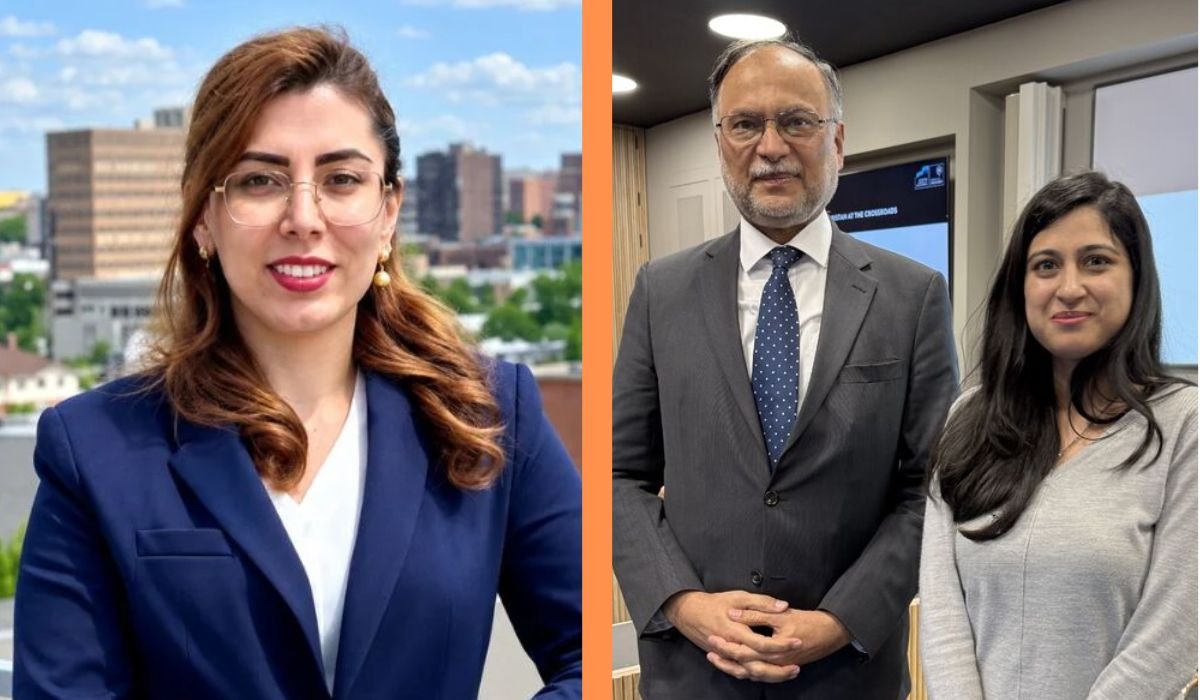
Elham Moases Ghaffary Is A Researcher In Pharmaceutical Sciences Whose Academic Work Brings Together Multiple Sclerosis, Neuroimaging, Artificial Intelligence, Machine Learning, And Modern Medical Research. Her Research Journey Is Particularly Interesting Because It Connects Traditional Biomedical Research With New Technologies That May Help Researchers Understand Neurological Diseases In Greater Detail.
She Is Associated With The School Of Pharmacy, Division Of Pharmacology And Pharmaceutical Sciences, At The University Of Missouri–Kansas City (UMKC). Her Published Research Shows A Strong Interest In Multiple Sclerosis And Its Related Clinical And Imaging Questions, While Her More Recent Work Has Expanded Into Artificial Intelligence And Machine Learning For Neurological Research.
Rather Than Being Limited To One Narrow Research Topic, Elham Moases Ghaffary Has Contributed To Studies Involving MRI, Optical Coherence Tomography, Neurological Biomarkers, Cognitive Problems In Multiple Sclerosis, And Predictive Machine-Learning Models. This Combination Makes Her Academic Profile Worth Exploring For Readers Interested In The Future Of Medicine.
Who Is Elham Moases Ghaffary?
Elham Moases Ghaffary Is A Pharmaceutical Sciences Researcher And PhD Candidate At The University Of Missouri–Kansas City. Her Professional Profile Identifies Her As A PhD Candidate In Pharmaceutical Sciences, While Academic Publication Records List Her With The School Of Pharmacy And Its Division Of Pharmacology And Pharmaceutical Sciences.
Her Research Interests Include Multiple Sclerosis, Neurodegenerative Disorders, Neuroimaging, And AI In Medicine. These Areas Are Closely Connected. Multiple Sclerosis, For Example, Can Affect The Brain, Spinal Cord, And Other Parts Of The Central Nervous System, Making Imaging And Biomarker Research Important For Understanding The Disease.
Her Work Has Also Included Collaborative Research With Scientists And Clinicians From Different Institutions. This Multidisciplinary Approach Is Important Because Modern Neurological Research Often Requires Expertise In Medicine, Data Analysis, Imaging, Pharmacology, And Statistics.
Quick Bio Information
Full Name: Elham Moases Ghaffary.
Academic Field: Pharmaceutical Sciences And Neurological Research.
Current Academic Institution: University Of Missouri–Kansas City.
School: UMKC School Of Pharmacy.
Division: Pharmacology And Pharmaceutical Sciences.
Academic Status: PhD Candidate In Pharmaceutical Sciences.
Main Research Area: Multiple Sclerosis.
Other Research Area: Neuroimaging.
Technology Interest: Artificial Intelligence In Medicine.
Additional Technology: Machine Learning.
Neurological Focus: Neurodegenerative And Neurological Disorders.
Imaging Interest: MRI And Other Medical Imaging Methods.
Imaging Technology: Optical Coherence Tomography.
Research Method: Systematic Reviews And Meta-Analyses.
Biomarker Research: Imaging-Based Biomarkers.
Recent Research: Machine Learning And Seizure-Free Outcome Prediction.
Academic Organization: American Association Of Pharmaceutical Scientists UMKC Chapter.
Professional Focus: Pharmaceutical And Biomedical Research.
These Details Are Supported By Her Academic Profiles, University Information, And Published Research. UMKC Records Also List Her Among School Of Pharmacy I.Ph.D. Pharmaceutical Sciences Students, While Her Recent Publication Lists Her As A Researcher In The University’s Division Of Pharmacology And Pharmaceutical Sciences.
Her Academic Background
Elham Moases Ghaffary’s Academic Development Has Been Closely Connected With Biomedical And Pharmaceutical Sciences. Her Current Academic Work At UMKC Places Her Within A Field That Studies How Drugs, Biological Processes, Disease Mechanisms, And Therapeutic Strategies Interact.
Her Research Record Also Shows Earlier Work Connected With Neuroscience And Multiple Sclerosis Research. This Background Helps Explain Her Interest In Combining Pharmaceutical Sciences With Modern Neurological Research.
Her Professional Profile Lists University Of Missouri–Kansas City Among Her Educational Experiences Beginning In 2023. Her Earlier Academic And Research Experience Also Includes Training And Scientific Activities In Biomedical Fields.
Her Work At The University Of Missouri–Kansas City
At UMKC, Elham Moases Ghaffary Is Connected With The School Of Pharmacy’s Division Of Pharmacology And Pharmaceutical Sciences. This Academic Environment Gives Her A Foundation In Pharmaceutical Research While Also Allowing Her To Work On Broader Biomedical Questions.
Her Recent Publications Demonstrate This Combination Clearly. A 2026 Study On Treatment-Resistant Epilepsy Lists Her Affiliation With The UMKC School Of Pharmacy And Its Division Of Pharmacology And Pharmaceutical Sciences.
Her Academic Activities Also Extend Beyond Individual Research Papers. Her Professional Profile Shows Involvement With The American Association Of Pharmaceutical Scientists UMKC Chapter, Including Service As Treasurer Beginning In 2026. This Indicates An Interest In Academic Community Building In Addition To Research.
Multiple Sclerosis Research
Multiple Sclerosis Is One Of The Most Consistent Themes In Elham Moases Ghaffary’s Published Work. Her Research Has Examined Different Aspects Of MS, Including Imaging, Cognitive Function, Disease-Related Biomarkers, Clinical Factors, And Broader Biological Mechanisms.
One Important Example Is A Systematic Review And Meta-Analysis Examining Neuroimaging Markers And Disability Scales In Multiple Sclerosis. Ghaffary Contributed To The Study Through Validation, Original Writing, And Review And Editing. The Research Explored How Imaging Measures Can Be Related To Disability In People With MS.
She Has Also Contributed To Research Examining Cognitive Impairment In People With Multiple Sclerosis. Cognitive Changes Can Be An Important Yet Sometimes Overlooked Part Of MS, Making Research Into Their Frequency And Clinical Significance Valuable.
Neuroimaging And MRI Research
Neuroimaging Is Another Major Part Of Elham Moases Ghaffary’s Research Profile. MRI Is Especially Important In Multiple Sclerosis Because It Allows Researchers And Clinicians To Examine Changes Within The Brain And Spinal Cord Without Surgery.
Her Research Contributions Have Looked At How Imaging Findings Can Be Connected With Clinical Outcomes. This Is Important Because An MRI Image Is Not Simply A Picture; Researchers Can Measure Different Features And Investigate Whether Those Measurements Relate To Symptoms, Disability, Or Disease Progression.
Her Work On Neuroimaging Markers Demonstrates This Approach. By Bringing Together Findings From Multiple Studies, Systematic Reviews And Meta-Analyses Can Help Researchers Better Understand Patterns That May Not Be Obvious In Individual Studies.
Optical Coherence Tomography And Medical Imaging
Optical Coherence Tomography, Commonly Called OCT, Is Another Important Technology In Modern Multiple Sclerosis Research. OCT Uses Light To Produce Detailed Images Of Structures In The Eye, Including Retinal Layers That Can Reflect Changes In The Nervous System.
Research Connected With Elham Moases Ghaffary Has Explored The Relationship Between OCT Measurements And Other Neurological Imaging Measures. This Area Is Interesting Because OCT Is Non-Invasive And Can Provide Quantitative Measurements That May Complement MRI.
Her Research Interests Also Fit With The Broader Development Of Multimodal Neuroimaging, In Which Researchers Combine Different Types Of Medical Information Instead Of Depending On A Single Test.
Artificial Intelligence In Medicine
Artificial Intelligence Has Become An Increasingly Important Part Of Elham Moases Ghaffary’s Recent Research Direction. In 2025, She Co-Authored A Comprehensive Narrative Review Examining How AI Could Transform Multiple Sclerosis Management. The Review Covered Clinical, Imaging, Digital, And Molecular Applications.
The Review Examined Possible AI Applications In MRI, OCT, PET Imaging, Disease Classification, Relapse Prediction, Remote Monitoring, Wearable Devices, Smartphone Applications, And Biomarker Research. It Also Discussed Emerging Concepts Such As Explainable AI, Federated Learning, And Large Language Models.
Importantly, The Authors Did Not Present AI As A Finished Solution. They Emphasized That Clinical Translation Requires Strong Evidence, Reliable Data, Careful Validation, And Responsible Use. That Balanced Approach Is Important When Discussing AI In Healthcare.
Machine Learning And Neurological Research
Elham Moases Ghaffary’s Research Expanded Further In 2026 With A Study On Machine Learning And Treatment-Resistant Epilepsy. The Research Investigated Whether Machine-Learning Methods Could Help Predict Seizure-Free Outcomes Following Epilepsy Surgery.
This Is A Significant Direction Because Epilepsy Surgery Can Be An Important Treatment For Some People With Treatment-Resistant Epilepsy, Yet Predicting Long-Term Seizure Freedom Can Be Difficult. The Study Explores How Patient And Clinical Information Might Be Used To Build Predictive Models.
The Work Shows How Her Interest In AI And Medical Data Is Extending Beyond Multiple Sclerosis Into Other Neurological Conditions.
Research On Emerging Biomarkers
Biomarkers Are Another Important Theme In Her Research. A Biomarker Is A Measurable Feature That Can Provide Information About A Biological Process, Disease, Or Treatment Response.
In 2025, Ghaffary Was The Lead Author Of A Systematic Review And Meta-Analysis Examining Choroid Plexus Volume In Multiple Sclerosis As An Emerging Imaging Biomarker. The Study Investigated Existing Evidence Around Changes In Choroid Plexus Volume And Their Possible Relevance To MS Research.
Her Broader Publication Record Also Includes Research Into Adipokines And Their Relationship With Immune Dysregulation, Neuroinflammation, And Potential Therapeutic Opportunities In Multiple Sclerosis.
Her Scientific Publications
Elham Moases Ghaffary Has Contributed To A Growing Body Of Scientific Literature Covering Multiple Sclerosis And Other Neurological Conditions. Her Publications Include Systematic Reviews, Meta-Analyses, Clinical Research, Case-Based Research, And More Recent Technology-Focused Studies.
Her earlier work includes research into MS Relapse Following COVID-19 Vaccination, A Topic That Received Significant Scientific Attention During The Pandemic. She Also Contributed To Research Into Clinical And Psychological Factors Associated With Fear Of Relapse In People With MS.
This Publication History Shows A Progression From Traditional Clinical And Neuroscience Questions Toward Research That Also Uses Imaging, Biomarkers, Artificial Intelligence, And Machine Learning.
Broader Biomedical Research
Although Multiple Sclerosis Is A Major Part Of Her Academic Profile, Her Research Should Not Be Viewed As Limited To One Disease. Her Publication Record Includes Work In Different Areas Of Biomedical And Neurological Science.
Her Earlier Research Experience includes studies related to inflammation, immune mechanisms, and neurological complications. This Broader Exposure Is Valuable Because Complex Diseases Often Involve Multiple Biological Systems.
Her Current Research Direction Appears Particularly Interested In How Different Types Of Scientific Evidence Can Be Combined To Improve Understanding Of Neurological Disease.
Academic Achievements And Professional Activities
One Verified Academic Achievement Is Her Recognition Through The UMKC Women’s Council Graduate Assistance Fund, Where She Is Listed As A School Of Pharmacy I.Ph.D. Student In Pharmaceutical Sciences.
Her Professional Activities Have Also Included Participation In The American Association Of Pharmaceutical Scientists UMKC Chapter. Her Current Professional Profile Lists Her As Treasurer Of The Chapter Beginning In July 2026.
She Has Also Been Involved In The MS Community. Her Profile Records Volunteer Work As An MS Ambassador With The National Multiple Sclerosis Society From August 2025 Through July 2026, Supporting Awareness, Patient Engagement, And Public Education.
Why Her Research Matters
The Importance Of Elham Moases Ghaffary’s Research Comes From Its Multidisciplinary Nature. Multiple Sclerosis And Other Neurological Disorders Are Complicated Conditions, And No Single Technology Can Answer Every Research Question.
MRI Can Provide Structural Information. OCT Can Offer Detailed Retinal Measurements. Biomarkers Can Provide Additional Biological Evidence. Artificial Intelligence And Machine Learning Can Help Researchers Analyze Large And Complex Datasets.
Bringing These Areas Together Could Eventually Support Better Disease Monitoring, Earlier Recognition Of Important Changes, More Accurate Prediction, And More Personalized Medical Decisions. However, These Possibilities Still Depend On Strong Scientific Validation And Responsible Clinical Use.
Challenges And The Future Of Her Research
AI And Neuroimaging Offer Exciting Possibilities, But They Also Come With Challenges. Medical AI Models Depend On The Quality And Diversity Of Their Training Data. A Model That Performs Well In One Dataset May Not Always Perform Equally Well In Another Population Or Healthcare Setting.
There Are Also Questions About Explainability, Privacy, Bias, Reproducibility, And Clinical Validation. These Issues Are Especially Important When AI Is Used In Healthcare Because Errors Can Have Serious Consequences.
The Direction Of Ghaffary’s Recent Research Suggests That Future Work May Continue Exploring AI, Machine Learning, Medical Imaging, Biomarkers, And Neurological Outcomes. Her 2026 Epilepsy Study Provides A Clear Example Of How Predictive Technologies Are Becoming Part Of Her Broader Research portfolio.
Final Thoughts
Elham Moases Ghaffary Has Developed An Academic Profile At The Intersection Of Pharmaceutical Sciences, Neuroscience, Medical Imaging, And Artificial Intelligence. Her Research Has Included Multiple Sclerosis, Neuroimaging Markers, Cognitive Function, OCT, Emerging Biomarkers, AI-Assisted MS Management, And Machine-Learning Prediction In Epilepsy.
What Makes Her Work Particularly Interesting Is The Way These Different Fields Come Together. Instead Of Looking At Neurological Disease From Only One Perspective, Her Research Contributions Help Explore How Imaging, Biological Information, Clinical Data, And Modern Computational Methods Can Work Together.
As Medical Research Becomes Increasingly Data-Driven, Researchers With Interdisciplinary Interests May Play An Important Role In Connecting Traditional Biomedical Science With New Technologies. Elham Moases Ghaffary’s Research Journey Provides An Example Of This Changing Landscape And Shows Why The Combination Of Pharmaceutical Sciences, Neuroscience, Imaging, And AI Is Receiving Increasing Attention.
FAQs About Elham Moases Ghaffary
Who Is Elham Moases Ghaffary?
Elham Moases Ghaffary Is A Pharmaceutical Sciences Researcher And PhD Candidate Associated With The University Of Missouri–Kansas City School Of Pharmacy. Her Research Interests Include Multiple Sclerosis, Neuroimaging, Neurodegenerative Disorders, Artificial Intelligence, And Machine Learning.
Where Does Elham Moases Ghaffary Study?
She Is Associated With The University Of Missouri–Kansas City, Where Her Academic Affiliation Is With The School Of Pharmacy, Division Of Pharmacology And Pharmaceutical Sciences. UMKC Records Identify Her As An I.Ph.D. Student In Pharmaceutical Sciences.
What Does Elham Moases Ghaffary Research?
Her Research Covers Multiple Sclerosis, Neuroimaging, Medical Biomarkers, OCT, Artificial Intelligence, Machine Learning, And Other Neurological Research Topics. Her Recent Work Also Includes Predictive Machine Learning In Treatment-Resistant Epilepsy.
What Is Her Connection With Multiple Sclerosis Research?
Multiple Sclerosis Is One Of The Central Themes In Her Publication Record. She Has Contributed To Research On Neuroimaging, Cognitive Impairment, Relapse-Related Questions, Imaging Biomarkers, And AI Applications For MS Management.
What Is Her Work In Artificial Intelligence?
Ghaffary Co-Authored A 2025 Review Exploring AI Applications In Multiple Sclerosis, Including Medical Imaging, Disease Classification, Relapse Prediction, Remote Monitoring, And Biomarker Research. The Work Also Discussed Emerging Technologies Such As Explainable AI And Large Language Models.
Has Elham Moases Ghaffary Published Research?
Yes. She Has Contributed To Multiple Peer-Reviewed Research Publications And Reviews Covering Multiple Sclerosis, Neuroimaging, Biomarkers, AI, And Other Neurological Topics. Her Publication Record Includes Research Published Through 2026.
What Is Her 2026 Research About?
One Of Her 2026 Publications Examines Whether Machine-Learning Methods Can Predict Seizure-Free Outcomes In People With Treatment-Resistant Epilepsy Following Surgery. The Study Reflects Her Growing Interest In Applying Computational Methods To Neurological Research.
Why Is Elham Moases Ghaffary’s Research Important?
Her Work Is Valuable Because It Connects Pharmaceutical Sciences With Neuroscience, Medical Imaging, Biomarkers, Artificial Intelligence, And Machine Learning. These Fields May Help Researchers Better Understand Neurological Diseases And Develop More Accurate Ways To Monitor And Predict Patient Outcomes, Although Further Clinical Validation Remains Essential.
Learn more and explore exciting content on: Michael Schmueck: Career, VFX Work, Movies, and Professional Journey










Leave a Reply