
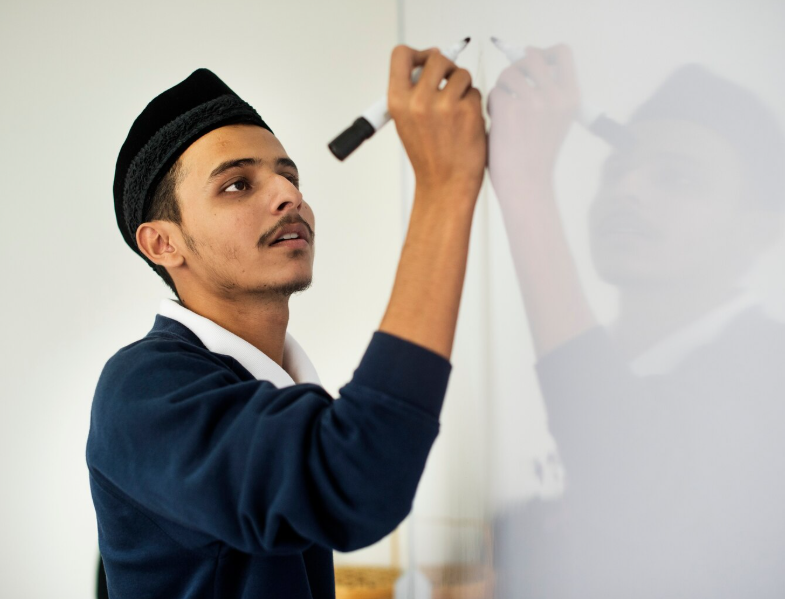
Kids spend more hours at school than almost anywhere else, so where they go shapes who they become. Confidence is not something you hand a child. It grows slowly, one small win stacked on another, year after year. Parents hunting for the best islamic school in Melbourne usually want one specific thing, a place where strong academics, real character and solid faith values sit together instead of pulling in different directions. That combination sounds simple on paper. In real classrooms it is rare, and it changes how a child sees themselves long before they finish primary school.
Why does confidence start with small moments, not big speeches?
Nobody becomes confident from one pep talk. A child becomes confident after reading aloud in class and not freezing up. After answering a hard question and getting it half right. Teachers who understand this build tiny moments of success into every single day, not just big events like assemblies once a term. Islamic schools that take character seriously tend to lean on this early, especially in the primary years, because confidence built at age seven sticks around at seventeen.
What does strong character building actually look like day to day?
It is not a poster on the wall. Real character work shows up in small rules, like how a teacher handles a kid who lied about homework, or how older students are expected to look after younger ones at lunch. Research backs this up too. A California study of 681 elementary schools found that schools with stronger character education programs also scored higher on academic measures, not lower. Good character and good grades grow from the same roots, not opposite ones.
How do you know if a school’s faith focus is real, not just marketing?
Any school can put Islamic in its name and calligraphy on the homepage. That does not tell you much. Ask how many hours a week go to Quran and Islamic studies, not just whether it is offered somewhere in the brochure. Ask whether staff are practising Muslims who model what they teach, not hired just to fill a position. Visit on a normal school day, not an open day, and watch how teachers speak to kids between lessons. That tells you more than any website ever will.
How fast have Islamic schools grown in Australia?
| Timeframe | What happened |
| 2010 to 2018 | Student numbers at Victorian Islamic schools more than doubled |
| 2011 to 2022 | Islamic school enrolments in NSW grew from 5.4% to 9% of the independent sector |
| Last 15 years | National Islamic school enrolments nearly tripled across Australia |
Growth like that does not happen by accident. Families are choosing these schools on purpose, usually after visiting several and comparing how children are treated, not just what gets taught.
What should you actually look for in a strong program?
- A clear discipline policy that staff actually follow, not just write down
- Teachers who know every child by name, not just by class list
- Daily prayer and Quran study built into the regular timetable, not squeezed in after hours
- Academic results that hold up against mainstream schools in the same area
- Older students mentoring younger ones as a normal part of school life
A school that ticks most of these boxes is doing more than teaching facts. It is shaping how a child argues, apologises and handles being wrong, and that matters more once they grow up than most report cards ever will.










Leave a Reply