
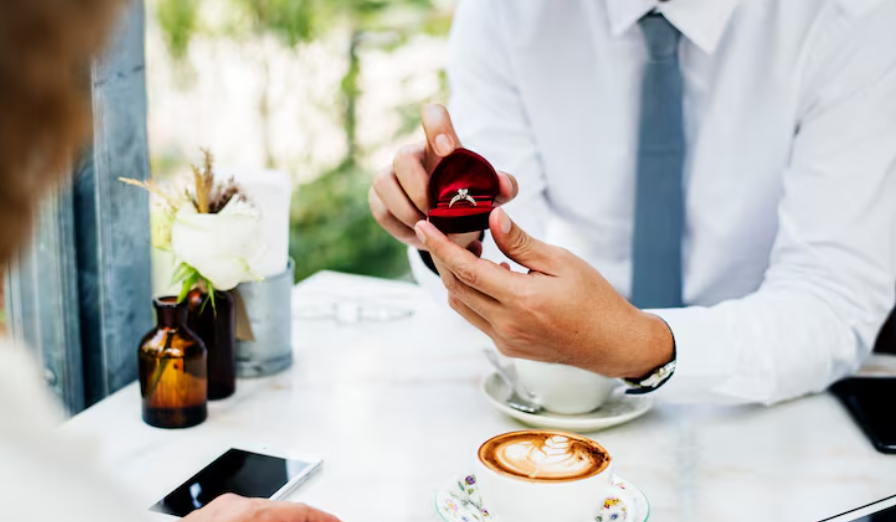
An everyday ring takes more punishment than any other piece of jewellery you own. It goes through dishwater, gym chalk, car doors, and a hundred small knocks a week. Most people never think about that until a stone comes loose or a band bends out of shape. Choosing ladies rings built for daily wear means looking past the sparkle and checking the metal, the setting, and how the stone holds up under real pressure. This guide covers what actually survives daily life, with hardness ratings, metal comparisons, and sizing tips pulled straight from how jewellers test their stock.
Which Metal Actually Survives Daily Wear?
Start with the metal. It matters more than the design.
| Metal | Durability | Best For |
|---|---|---|
| Platinum | Very strong, heavy, resists bending | Daily wear, decades of use |
| 18k Gold | Softer, scratches show over the years | Special occasions more than daily grind |
| 14k Gold | Harder than 18k, more alloy mixed in | Solid daily option, lower cost |
| Sterling Silver | Soft, tarnishes with sweat and water | Occasional wear, not heavy daily use |
| Titanium | Extremely tough, light on the hand | Active days, gym and manual work |
Why Does Stone Hardness Matter for Daily Rings?
The Mohs scale runs from 1 to 10, and it tells you how a stone holds up to scratches. Diamond sits at the very top, a perfect 10. Sapphire and ruby sit at 9, close enough that they barely show wear after years of daily knocks. Opal drops to around 5 or 6. Pearl sits even lower, around 2.5 to 4.5. A soft stone in a daily ring dulls fast, no matter how careful you try to be.
What Should You Check Before Buying a Daily Ring?
- Pick a low setting, high prongs catch on sweaters and hair
- Choose a stone with a hardness rating of 7 or higher
- Go with platinum or 14k gold over soft sterling silver
- Get the ring sized properly, a loose ring spins and snags on things
- Ask about rhodium plating on white gold, it wears off and needs redoing every year or two
How Often Should a Daily Ring Get Checked or Cleaned?
Most jewellers suggest a prong check every six months for a ring worn daily, since prongs loosen with repeated small knocks. Clean it at home with warm water and a soft brush, nothing harsh. Self purchase has changed how often people ask this question too, buying jewellery for yourself has grown by about 50% since 2018, which means more rings now live on a hand every single day instead of sitting in a box for special events.
Is a Bigger Stone Always a Bad Idea for Daily Wear?
Not always, but bigger stones catch on more things. Gloves, pockets, and car seats all grab a tall stone faster than a flat one. Lean small to medium for a true daily ring, and save the larger stone for a piece you take off before you cook or clean. A ring you never have to think about is the one you will actually wear every day.
Does Hand Size Change What Ring Works Best?
A little, yes. Smaller hands tend to suit a slimmer band and a smaller stone, since a large setting can look heavy and catch on more surfaces. Wider hands can carry a bigger stone without it looking out of place. Neither is better, it just changes what feels comfortable through a full day of typing, carrying bags, and everything else your hands do without you noticing.







Leave a Reply