
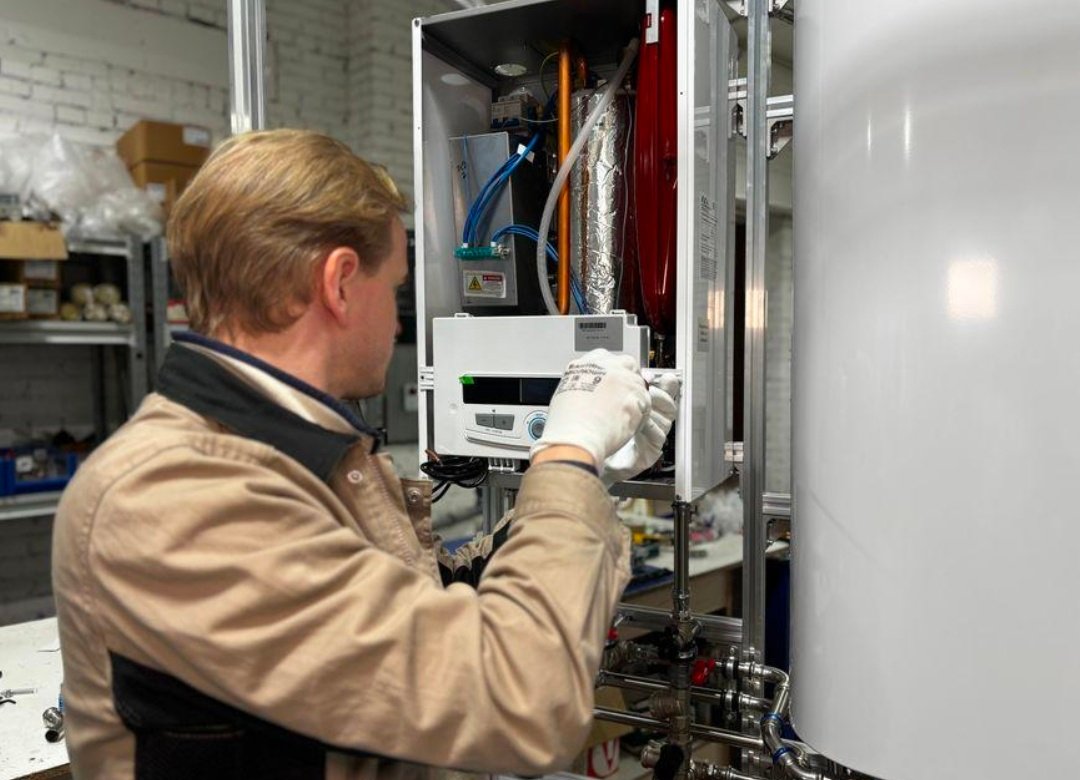
A pool heater can seem like a simple piece of equipment: set the temperature, switch it on, and expect comfortable water. But when performance starts slipping, the cause is not always obvious. A heater that takes longer to warm the pool, cycles repeatedly, or struggles to maintain a steady temperature may already be wasting energy or developing a fault.
Understanding the early warning signs, common causes, and value of preventive maintenance can help you deal with problems before peak swim season.
Why pool heaters lose efficiency
Pool heaters often decline gradually rather than fail without warning. You may first notice longer heating times, fluctuating water temperatures, or frequent starts and stops. These changes can indicate restricted water flow, scale buildup, dirty components, worn sensors, or a developing electrical or ignition fault.
Water chemistry is another important factor. Poorly balanced water can contribute to corrosion or mineral deposits inside the system, placing stress on the heat exchanger. Because that component transfers heat to the pool water, damage can be costly to repair. Outdoor equipment also faces debris, moisture, insects, and changing weather conditions. Blocked airflow or neglected cleaning can make the system work harder than necessary.
What a proper service visit should cover
A useful service appointment should involve diagnosis, not just resetting the controls. Depending on the equipment, a qualified technician may inspect the heat exchanger, burner and ignition assembly, electrical connections, sensors, pressure switches, thermostat, and water-flow conditions. For a heat pump, airflow, fan operation, coils, and refrigerant-related performance may also need assessment.
A reliable pool heater repair service should identify why the fault developed, not simply replace the part that stopped working. For example, fitting a new sensor will not resolve a recurring problem if restricted circulation is causing the system to overheat. Ask the technician to explain the diagnosis, the proposed repair, and whether the work is expected to restore normal performance.
The warning signs worth checking
Short cycling is one symptom to watch. This happens when the heater starts and stops repeatedly before the pool reaches its target temperature. Possible causes include low water flow, a pressure-switch issue, overheating, or a faulty sensor. The exact cause depends on the heater type and should be diagnosed rather than guessed.
Unusual noises can provide further clues. Clicking may occur during ignition attempts, while rumbling can be associated with deposits or combustion problems. A heat pump may make different operating sounds, so changes from its normal pattern matter more than any single noise. Also look for error codes, visible corrosion, soot, leaks, or a sudden rise in energy use. Act on changes.
Repair or replace? Compare the real costs
Age alone should not determine whether a heater is replaced. Consider its condition, repair history, parts availability, energy consumption, and the cost of the proposed work. A relatively new unit with one isolated fault may be a sensible repair. Repeated breakdowns, extensive corrosion, or a damaged heat exchanger can make replacement more attractive.
Compare the repair estimate with the installed cost of a suitable replacement, not just the price of the new unit. A more efficient model may reduce running costs, but the savings depend on pool size, climate, usage, insulation, and energy prices. For a rental property or commercial facility, also consider the cost of downtime. A cold pool can lead to complaints, refunds, and avoidable disruption.
Water balance and circulation matter
Some heater problems begin elsewhere in the pool system. Low flow can cause a heater to shut down or operate outside its intended conditions. A dirty filter, blocked basket, weak pump, or incorrectly positioned valve may restrict circulation. Before assuming the heater itself is defective, check that the wider system is operating correctly.
Water balance matters too. pH, alkalinity, calcium hardness, and sanitizer levels all affect pool water and equipment. The CDC explains that maintaining appropriate pH helps protect both swimmers and pool components. Its guidance on home pool water treatment and testing is a useful reference for understanding routine water checks.
Treat the pool as one connected system. Clean filtration, consistent circulation, and balanced water help reduce unnecessary strain on the heater. Follow the equipment manufacturer’s specifications and seek professional advice if readings remain difficult to control.
Schedule maintenance before demand rises
Waiting until the first hot weekend to test a heater can leave you competing for service appointments when other pool owners are doing the same. A preseason inspection gives you time to identify worn parts, arrange repairs, and check that the system heats reliably before regular use begins.
For pools that operate year-round, schedule maintenance at intervals recommended by the manufacturer and technician. Commercial operators should also keep records of inspections, repairs, and recurring faults. The CDC’s guidance for operating and managing public pools highlights preventive maintenance and routine equipment oversight as part of responsible pool operation.
Simple checks you can make safely
Before arranging a service call, check the thermostat setting, timer, breaker, and filter condition. Confirm that valves are in their normal positions and that water is circulating. Clear leaves and loose debris from around the equipment, while keeping required ventilation and access clear.
Note what happens when you turn the heater on. Does it attempt to ignite? Does the fan start? Is an error code displayed? Record any unusual sound, leak, or change in heating time. These observations can help a technician narrow down the issue.
Do not remove sealed covers, handle gas connections, or attempt electrical, combustion, or refrigerant repairs yourself. Turn the system off and contact a qualified professional if you notice a gas smell, soot, damaged wiring, or signs of overheating.
The cost of waiting is often greater
A failing pool heater is more than a comfort issue. It is a reminder that equipment becomes expensive when early symptoms are ignored. Small performance changes can lead to higher energy use, rushed repairs, and avoidable downtime.
Whether you manage one backyard pool or several facilities, pay attention to changes in heating performance, maintain water quality, and arrange inspections before demand peaks. Acting early will not prevent every breakdown, but it can help you make informed repair decisions, protect the rest of the system, and keep operating costs more predictable.
For more latest stories and updates, visit VA Magazine.











Leave a Reply