
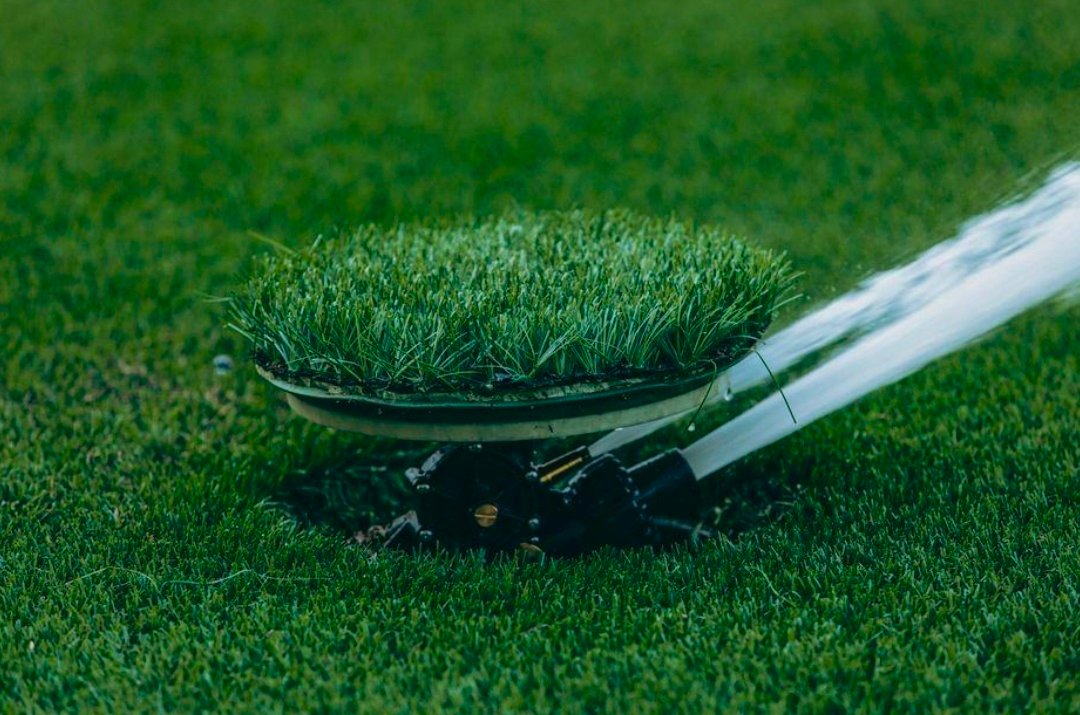
A healthy lawn needs more than regular mowing and occasional fertilizing. The way water reaches your grass, shrubs, and flower beds can make a significant difference to their appearance and long-term health. If one section of your yard stays soggy while another turns brown, your irrigation setup may not be distributing water properly. Understanding how sprinkler systems work helps you identify problems, reduce unnecessary water use, and make better decisions about maintenance and upgrades.
What Your Sprinkler System Is Actually Doing
An irrigation system does more than spray water across the lawn. It manages water pressure, coverage, distribution, and timing across different areas of your property. Each zone should account for the plants, soil conditions, sunlight, and slope in that particular area.
For example, grass beside a driveway receives more direct sunlight and reflected heat than turf beneath mature trees. Flower beds may need less water than open lawn areas, while shrubs and established trees have different watering requirements.
A properly planned yard sprinkler system accounts for these differences rather than treating the entire property as one watering zone. That can improve plant health, reduce runoff, and make outdoor maintenance considerably easier.
The Most Common Watering Mistake
Many homeowners establish a watering schedule and leave it unchanged for months. The problem is that plants do not need the same amount of water throughout the year. Temperature, rainfall, soil conditions, and seasonal growth all influence irrigation requirements.
Frequent, shallow watering can encourage weaker root development in established lawns. Deeper watering, adjusted to the grass type and soil conditions, generally encourages roots to grow further into the ground.
Soil texture also matters. Sandy soil drains relatively quickly, while clay-rich soil absorbs water more slowly. Applying water too quickly to clay soil can create puddles and runoff before enough moisture reaches the roots. Breaking a longer watering session into shorter intervals, commonly called cycle-and-soak watering, can help.
The EPA’s WaterSense watering tips explain how to adjust irrigation according to rainfall, soil conditions, and plant needs. They also recommend monitoring how much water actually reaches the landscape instead of relying entirely on preset timer schedules.
Why Uneven Coverage Is Often a Mechanical Problem
Brown patches do not always mean your grass needs more fertilizer or a different treatment. Sometimes the sprinkler heads are simply failing to distribute water evenly.
A tilted head, clogged nozzle, damaged rotor, or incorrect spray pattern can leave sections of the lawn dry. Water may also spray onto driveways, sidewalks, and other surfaces where it provides no benefit.
One important irrigation principle is head-to-head coverage. Each sprinkler should distribute water far enough to reach the neighboring sprinkler’s coverage area. Without sufficient overlap, dry spots can develop even when every zone appears to be operating.
Water pressure is equally important. Excessive pressure can produce fine mist that drifts away before reaching the ground. Insufficient pressure can reduce spray distance and leave gaps between sprinkler heads. If one zone consistently performs differently from another, checking pressure and equipment condition is a sensible starting point.
Smart Controllers Can Make Watering More Efficient
A basic irrigation timer follows a schedule, whether or not your lawn actually needs water. This can lead to unnecessary watering after rainfall or during cooler periods.
Weather-based controllers use local weather information and landscape conditions to adjust watering schedules. Soil-moisture sensors take a different approach by measuring moisture levels and preventing irrigation when the ground already contains sufficient water.
These technologies can help reduce waste, but they still need correct installation and programming. Different landscape zones should have schedules that reflect their individual requirements.
A smart controller is not a substitute for inspecting the system. Broken heads, leaking pipes, and poor coverage can continue wasting water even when the controller is working correctly.
Installation Quality Determines Long-Term Performance
An irrigation system should be designed around the property rather than installed using a generic layout. Sprinkler placement, pipe routing, valve accessibility, and zone separation all influence how reliably the system operates.
Poor installation can create problems that become increasingly frustrating over time. Sprinkler heads may become blocked as shrubs grow, pipes may interfere with future landscaping, and narrow strips beside fences or patios may receive insufficient coverage.
Think about the mature size of plants, future landscaping changes, drainage patterns, and access for maintenance before installation begins. A system that works with the landscape is easier to maintain than one that constantly requires adjustments.
Seasonal Adjustments Are Essential
Your watering schedule should change as temperatures and rainfall patterns shift. A program suitable for hot summer weather may waste water during cooler spring or fall conditions.
Inspect the system when the seasons change. Check for broken heads, leaking valves, clogged nozzles, and spray patterns that have shifted. Adjust run times according to actual plant needs and recent rainfall rather than automatically following last season’s settings.
The University of Colorado Extension’s guide to operating and maintaining a home irrigation system explains how sunlight, soil type, slopes, and sprinkler spacing affect irrigation performance. Although local growing conditions differ, these principles are useful when evaluating a residential system.
When Should You Repair or Replace Your System?
Repairs are usually sensible when the underlying layout is suitable, and the problem involves an isolated component. Replacing a damaged sprinkler head, cleaning a nozzle, repairing a leaking valve, or correcting a pressure issue may restore normal performance.
However, repeated breakdowns can indicate a larger design problem. Recurring dry spots, excessive water use, outdated controls, and poor zone separation may justify a broader assessment.
Consider the system’s age, repair history, water consumption, and ability to meet your landscape’s needs. A professional irrigation inspection can help determine whether targeted repairs or a redesign offers better long-term value.
Better Water Management Starts With Understanding Your Yard
You do not need an elaborate irrigation setup to maintain an attractive landscape. You need a system that delivers the right amount of water to the right areas without creating unnecessary waste.
Pay attention to uneven coverage, inspect equipment regularly, adjust schedules as conditions change, and address recurring problems rather than repeatedly treating their symptoms.
A dependable sprinkler system should make lawn care easier, not create another weekend chore. When water distribution, equipment condition, and scheduling work together, your yard has a much better chance of staying healthy throughout the growing season.
For more latest stories and updates, visit VA Magazine.













Leave a Reply