
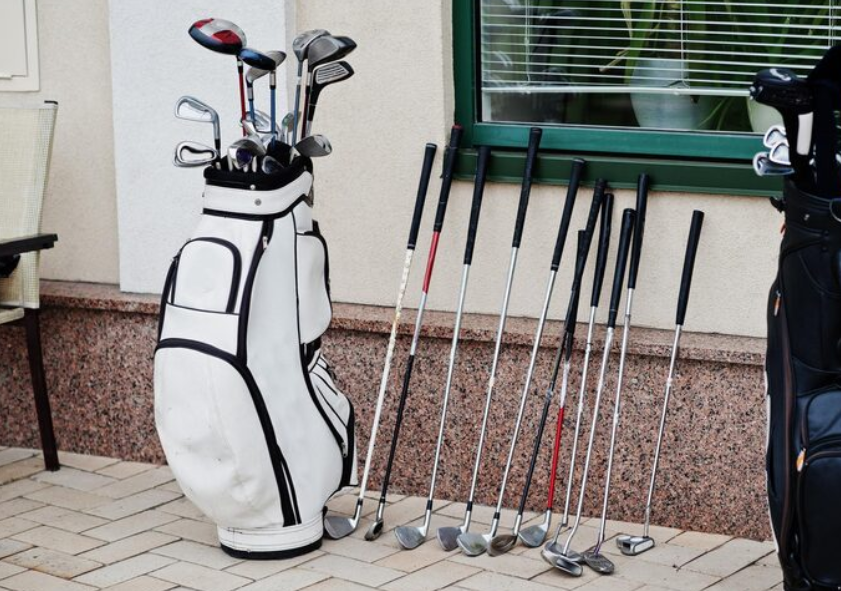
Your golf bag carries so much more than clubs itself. It keeps all your balls, tees, gloves, rain gear – and often even your lunch too! The perfect bag totally transforms the entire feel of your round – not simply the appearance of your clubs. Pick wrong, and your back hurts by hole nine. Pick right, and you forget it’s even there. OGIO’s golf bags come in stand, cart, and tour styles, built for different games and different bodies. Golfers who walk need light bags. Golfers that ride need bags made for a cart’s straps and pockets. Your swing style, course type, and whether you walk or ride should decide the bag – not the logo on it.
Know Your Bag Type First
There are three main types – and they’re certainly not interchangeable items. A stand bag has two folding legs and will sit all by itself whenever you drop it onto the grass. A cart bag has a flat bottom made for golf carts and usually skips the legs. Tour bags are the big ones caddies carry on the PGA Tour – very heavy, very tall, and built to hold all your gear for an entire week’s play. Most weekend golfers in Australia and the US prefer stand bags because about 60% of casual rounds still involve quite a bit of walking – even at courses that are pretty cart-friendly.
| Bag Type | Average Weight (Empty) | Best For |
| Stand bag | 2.0 to 3.2 kg | Walking, carrying, hybrid rounds |
| Cart bag | 2.8 to 4.5 kg | Riding carts, pull carts |
| Tour bag | 4.5 to 6.5 kg | Caddied rounds, tour pros |
How Many Dividers You Actually Need
A 14-club top will keep all your clubs separate, so they won’t rattle or get tangled when you walk. A 4-way or 6-way top holds clubs together more loosely – that’s a bit lighter but can be quite messy. Under USGA rules full sets comprise 14 clubs, so a 14-way divider lines them up perfectly. Beginners with fewer clubs can get away with a 4-way split and still pull clubs fast without digging around.
Weight on Your Back Adds Up Fast
An 18-hole course takes you about six to ten kilometers on foot – and a loaded stand bag holding fourteen clubs, balls, and equipment usually weighs between seven and nine kilograms. That weight stays on your shoulders for three to four hours non-stop. A bag with a single strap puts all that load on one side, which is why double straps that cross your back like a backpack have become the standard on most modern stand bags. The difference is not small. Golfers using dual-strap systems report far less shoulder fatigue over a full round compared to single-strap carry bags.
Pockets You Will Actually Use
- A lined valuables pocket keeps your phone and keys separate from wet gear.
- An insulated cooler pocket holds drinks cold for hours, which matters a lot in summer rounds.
- A rangefinder pocket with a clip stops your device from rattling loose on bumpy carts.
- Full-length apparel pockets fit a rain jacket without folding it into a tight ball.
- A glove-friendly ball pocket lets you grab a ball one-handed mid-swing routine.
Match the Bag to Your Actual Game
Walkers want light stand bags under 3 kilograms with a comfortable dual strap. Golfers playing in both modes – walking some days and riding others – often end up best suited to a mid-weight stand bag which will still attach neatly onto a trolley. Consider your last 10 rounds quite honestly. Cart riders can carry more weight and take even more equipment because the trolley does all the heavy work. If you walked most of them, buy for walking. The bag should fit the golfer you actually are, not the one you plan to become.







Leave a Reply