
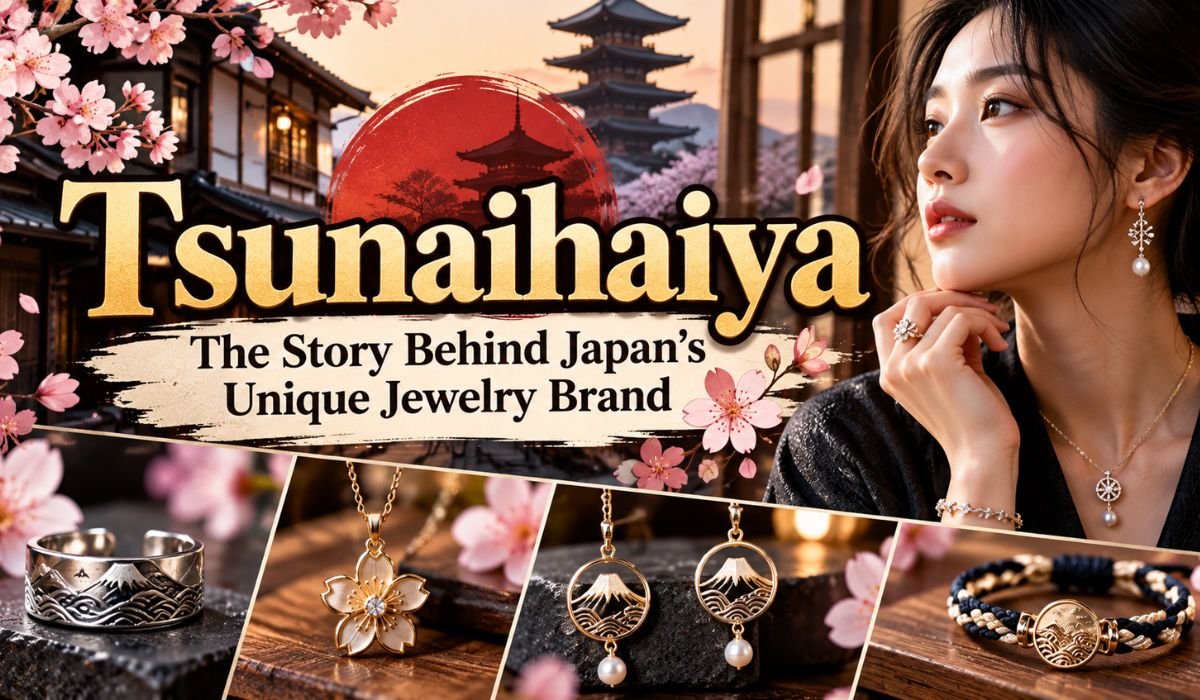
Tsunaihaiya Is A Japanese Jewelry Brand Known For Its Distinctive Metalwork, Textured Surfaces, And Unusual Blend Of Artistic Influences. Rather Than Following Every New Fashion Trend, The Brand Focuses On Jewelry That Feels Personal, Bold, And Carefully Designed. Its Rings, Bangles, Bracelets, And Other Accessories Appeal To People Who Appreciate Character And Detail In The Things They Wear.
The Story Behind Tsunaihaiya Is Just As Interesting As Its Jewelry. The Brand Was Established In 2012 By Japanese Metalsmith Yusuke Kuwano And San Carlos Apache Sculptor Craig Dan Goseyun, According To Japanese Retailer Profiles. Their collaboration brought together different artistic backgrounds and helped create a distinctive design identity.
What Makes Tsunaihaiya Interesting Is The Way Its Jewelry Combines Strong Metal Forms With Controlled Design. Textured Silver, Dark Finishes, Natural Stones, And Carefully Balanced Shapes Can Give Individual Pieces A Recognizable Appearance. However, The Exact Materials And Techniques Depend On The Product.
Understanding Tsunaihaiya Means Looking Beyond Its Appearance. Its History, Creative Influences, Materials, And Approach To Jewelry Design All Help Explain Why It Stands Out. Whether You Are Discovering The Brand For The First Time Or Considering Buying A Piece, This Guide Explores The Details Worth Knowing.
Quick Bio Information About Tsunaihaiya
The Following Facts Summarize The Main Details Of The Brand And Its History.
Brand Name
Tsunaihaiya
Industry
Jewelry And Accessories
Country Association
Japan
Reported Founding Year
2012
Japanese Metalsmith
Yusuke Kuwano
Co-Founder
Craig Dan Goseyun
Artistic Background
Metalsmithing And Sculpture
Important Location
Santa Fe, New Mexico
Reported Study Institution
Institute Of American Indian Arts
Main Design Influences
Japanese And Southwestern Jewelry Traditions
Recognizable Materials
Silver, Brass, And Plated Metals
Decorative Materials
Natural Stones And Beads
Popular Jewelry
Rings And Bangles
Other Categories
Bracelets, Necklaces, And Earrings
Common Design Features
Texture, Stamping, And Darkened Finishes
Styling Approach
Casual, Contemporary, And Statement Looks
Target Audience
People Interested In Distinctive Jewelry
Care Considerations
Material-Specific Cleaning And Storage
These Details Summarize The Brand’s Reported History And General Product Characteristics. Individual Product Specifications And Current Brand Information Should Be Verified Before Purchase.
What Is Tsunaihaiya?
Tsunaihaiya Is A Japanese Jewelry Label Associated With Artisan-Inspired Metalwork And Designs Influenced By Both Japanese Aesthetics And Southwestern Jewelry Traditions. Established In 2012, The Brand Offers Accessories That Often Emphasize Texture, Shape, And The Natural Appearance Of Metal Rather Than Excessive Decoration.
The Collection Has Included Rings, Bangles, Bracelets, Necklaces, Earrings, And Other Accessories. Some Designs Feature Stamped Patterns Or Feather-Inspired Forms, While Others Use Beads, Natural Stones, Or Darkened Metal Finishes. These Different Approaches Give The Collection Variety Without Moving Away From Its Recognizable Artistic Direction.
Tsunaihaiya Is Not Simply A Brand That Sells Silver Jewelry. Its Identity Also Comes From The Way Materials And Shapes Work Together. A Ring May Look Interesting Because Of Its Uneven Surface, While A Bracelet May Stand Out Through Its Proportions And Subtle Color Contrasts. Individual Products Should Still Be Evaluated On Their Own Merits, Since Materials, Construction, And Finishing Methods Can Differ.
The History And Origins Of Tsunaihaiya
The History Of Tsunaihaiya Is Closely Connected To The Artistic Development Of Yusuke Kuwano And His Collaboration With Craig Dan Goseyun. The Brand Was Established In 2012, Following Kuwano’s Experience Studying Metalworking In Santa Fe, New Mexico. This Background Helped Shape A Jewelry Style That Draws Inspiration From More Than One Artistic Environment.
Santa Fe Has A Longstanding Association With Southwestern Art, Silver Jewelry, And Metalsmithing. Studying There Would Have Given Kuwano The Opportunity To Encounter Different Approaches To Working With Metal And Designing Jewelry. His Experience Provides Important Context For Understanding The Brand’s Creative Direction.
The Founding Partnership Is Another Important Part Of The Story. Rather Than Being Described Only As A Fashion Business, Tsunaihaiya Is Associated With A Collaboration Between Artists From Different Backgrounds. That Connection Helps Explain Why Its Designs Are Often Discussed In Terms Of Cultural Exchange And Craftsmanship.
Although The Brand’s Origins Are Relatively Well Documented In Japanese Retail Profiles, Readers Should Distinguish Established Historical Details From Later Online Interpretations. Claims About Specific Designs, Traditional Meanings, Or Current Production Practices Need Supporting Evidence Before They Can Be Treated As Facts.
Who Is Yusuke Kuwano?
Yusuke Kuwano Is The Japanese Metalsmith Associated With Tsunaihaiya’s Design And Creative Direction. His Background Is Important Because It Helps Explain The Brand’s Interest In Metal Surfaces, Carefully Shaped Forms, And Jewelry That Combines Strength With Visual Restraint.
According To Japanese Retailer Biographies, Kuwano Moved To Santa Fe In 2009 And Studied Metalsmithing At The Institute Of American Indian Arts. This Experience Placed Him In An Environment Where He Could Learn About Metalworking And Encounter Southwestern Jewelry Traditions. Retailer Profiles Also Report That He Received Gold Awards In Two Jewelry Competitions In 2011 And Graduated With High Honors In 2012. These Biographical Details Should Be Attributed To Those Profiles Unless Independently Confirmed By Primary Records.
Kuwano’s Work Is Commonly Associated With A Preference For Texture Over Excessive Ornamentation. Metal Can Become The Main Visual Feature Through Hammered Surfaces, Stamped Details, Darkened Areas, Or Unusual Shapes. A Piece Does Not Always Need A Large Gemstone Or An Elaborate Pattern To Attract Attention. Sometimes, The Appeal Comes From The Way Light Moves Across Its Surface.
His Artistic Background Also Helps Explain Why Tsunaihaiya Is More Than A Conventional Fashion Label. The Brand’s Identity Is Connected To The Designer’s Experience, Training, And Creative Relationships. Still, It Is Important Not To Assume That Every Item Uses The Same Technique Or Is Made Entirely By The Same Person.
Who Is Craig Dan Goseyun?
Craig Dan Goseyun Is Identified In Tsunaihaiya’s Brand History As A San Carlos Apache Sculptor Who Helped Establish The Label With Kuwano In 2012. His Involvement Is An Important Part Of The Brand’s Origins Because The Partnership Connects The Jewelry To A Wider Conversation About Artistic Exchange And Southwestern Metalwork.
Goseyun’s Background Should Be Discussed With Care And Respect. The San Carlos Apache Community Has Its Own History, Cultural Identity, And Artistic Traditions. These Should Not Be Treated As Identical To Every Other Native American Community Or Jewelry-making tradition. A Responsible Article Explains The Documented Collaboration Without Assigning Unverified Spiritual Meanings Or Cultural Symbols To Particular Products.
The Partnership Between Kuwano And Goseyun Helped Establish The Creative Foundation Associated With Tsunaihaiya. Their Different Backgrounds Offer Context For The Brand’s Combination Of Japanese Design Sensibilities And Southwestern Influences. However, The Available Descriptions Do Not Automatically Establish Who Designed Or Produced Every Individual Piece.
There Are Also Questions About How The Brand’s Creative Work Has Developed Since Its Early Years. Some Japanese Retailer Profiles Report Changes In Goseyun’s Production Activities. Because Production And Creative Roles Can Change, Current Claims About Who Makes The Jewelry Or Leads The Brand Should Be Checked Against Recent, Reliable Information.
What Does The Name Tsunaihaiya Mean?
The Meaning Of Tsunaihaiya Is One Of The Most Interesting Questions Associated With The Brand. Japanese Retailer Descriptions Connect The Name, Sometimes Written As “Tsunai Haiya,” With An Apache Expression Associated With The Rising Sun And Japan. This Interpretation Fits The Brand’s Story, Which Connects Japanese Artistic Identity With Its Southwestern Roots.
However, The Translation Should Be Presented As A Reported Brand Explanation Rather Than An Independently Established Linguistic Fact. Apache Languages And Cultural Traditions Have Their Own Specific Meanings, Pronunciations, And Contexts. A Phrase’s Exact Translation Should Be Supported By Reliable Linguistic Or Community Sources Before Being Treated As Definitive.
The Name Also Helps Readers Understand The Brand’s Identity. It Draws Attention To The Relationship Between The People Behind The Label And The Different Artistic Environments That Influenced Its Development. That Relationship Is More Relevant To Understanding Tsunaihaiya Than Vague Online Claims That The Word Refers To A Hidden Place Or A General Spiritual Concept.
For Readers Researching Tsunaihaiya Meaning, The Most Helpful Approach Is To Separate The Documented Jewelry Brand From Unrelated Websites That Use The Same Word Without Evidence. This Keeps The Discussion Focused On The Brand’s History And Avoids Repeating Unsupported Explanations.
How Japanese And Southwestern Jewelry Traditions Influence Tsunaihaiya
Tsunaihaiya Is Often Described Through The Combination Of Japanese Design Sensibilities And Southwestern Jewelry Influences. These Are Not Identical Traditions, And Their Contribution To The Brand Is Best Understood By Looking At Specific Design Features Rather Than Relying On General Cultural Labels.
Japanese Design Is Often Associated With Attention To Proportion, Material, Simplicity, And The Relationship Between A Form And Its Surroundings. In Tsunaihaiya’s Reported Aesthetic, This Can Be Understood Through Controlled Shapes And A Balance Between Decorative Details And Open Space. The Idea Is Not That Every Piece Follows One Japanese Design Rule, But That Restraint Can Make A Strong Material Or Shape More Noticeable.
Southwestern Jewelry Influences Can Be Seen In Features Such As Stamped Metal, Silver Cuffs, Feather-Inspired Forms, And Natural-Stone Settings. These Features Have Their Own histories across different artists and communities. They should not be presented as exclusive to one group or as proof that a particular product belongs to a traditional ceremonial practice.
The Most Interesting Aspect Is How These Influences Can Work Together. A piece may have a rough, heavily textured surface while retaining a controlled overall shape. Another may use a simple band with a darker finish that creates depth without adding many decorative elements. This balance gives Tsunaihaiya a recognizable design direction while leaving room for variety across its collection.
What Materials Are Used In Tsunaihaiya Jewelry?
Materials Matter Because They Affect A Piece’s Appearance, Weight, Price, Maintenance, And Durability. Tsunaihaiya Products Should Not All Be Assumed To Have The Same Composition. Retail Listings Describe Different Materials And Finishes, Making It Important To Read Each Product’s Specifications Before Buying.
Sterling Silver Is An Alloy Commonly Made With 92.5 Percent Silver And Other Metals, Often Copper. It Is Used In Jewelry Because Pure Silver Is Relatively Soft. Sterling Silver Can Develop Tarnish Through Exposure To Air And Certain Substances, But Appropriate Care Can Help Preserve Its Appearance. A Product Should Only Be Described As Sterling Silver When Its Specifications Support That Claim.
Some Designs May Use Brass Or Plated Metals Instead. Brass Is A Copper-Based Alloy, While Plating Adds A Surface Layer Of Another Material. These Products Can Have distinctive Colors And Finishes, But Their Care Requirements May Differ From Those Of Solid Sterling Silver. A dark or silver-colored appearance alone does not prove the metal beneath the surface.
Natural Stones And Beads Introduce Another Layer Of Variety. Turquoise Can Add Blue-Green Color, While Lapis Is Associated With Deep Blue Tones. Natural Stones May Vary In Color, Pattern, And Texture, Even Within Similar designs. Hammered, Stamped, And Darkened Surfaces Can Also create visual depth. Buyers should check whether a particular product uses natural stones, treated stones, plated materials, or mixed components.
Popular Types Of Tsunaihaiya Jewelry
Tsunaihaiya Has Been Associated With Several Types Of Jewelry, Allowing People To Choose Pieces Based On Their Personal Style And Comfort. Rings Are Among The Recognizable Categories. Some Designs Use Narrow Bands, While Others Have Wider Shapes, Textured Surfaces, Or Darkened Finishes. A Wider Ring Can Create A Stronger Visual Statement, Whereas A Slim Band May Be Easier To Combine With Other Accessories.
Bangles And Cuff Bracelets Offer Another Way To Explore The Brand’s Style. Some Feature Feather-Inspired Forms Or Detailed Metal Surfaces, While Others Have Simpler Shapes. Open Cuffs Can Be Convenient To Put On, But They Should Not Be Repeatedly Bent Beyond Their Intended Adjustment Range. Beaded Bracelets Provide A Different Appearance, Using Color And Small Decorative Elements Instead Of Relying Entirely On metal.
Necklaces, Earrings, Charms, And Other Accessories Extend The Collection Beyond Rings And Bracelets. Their Availability Can Vary Between Retailers And Over Time. Rather Than Assuming Every Category Is Always Available, Buyers Should Check Current Product Listings For Accurate Details About Sizes, Finishes, And Materials.
What Makes Tsunaihaiya Jewelry Different?
The Appeal Of Tsunaihaiya Comes From Its Approach To Shape And Surface. Instead Of Depending Only On Large Gemstones Or Decorative Patterns, Many Of Its Recognizable Designs Use Metal Texture As A Main Feature. Hammered Marks, Stamped Details, And Uneven Surfaces Can Create A Distinctive Appearance Without Making The Jewelry Feel Overly Complicated.
Another Important Feature Is The Balance Between Boldness And Restraint. A Wide Silver Cuff Can Look Strong And Noticeable, Yet Its Overall Shape May Remain Simple. A Textured Ring Can Have Plenty Of Detail Without Covering Its Entire Surface With Decoration. This Combination Gives The Jewelry Character While Allowing It To Work With Different Clothing Styles.
The Brand Also Appeals To People Who Prefer Accessories That Do Not Depend On Large Logos. A Carefully Chosen Ring Or Bracelet Can Become A Personal Style Feature Through Its material, finish, and shape. However, Texture Alone Does Not Prove That A Piece Is Handmade Or Made Using A Traditional Technique. Such Claims Require Product-Specific Evidence.
How To Style Tsunaihaiya Jewelry
Styling Tsunaihaiya Jewelry Can Be Simple Because Many Designs Have Enough Character To Stand Out Without Additional Accessories. A Textured Ring Can Work Well With A Plain Shirt And Denim, While A Silver Bracelet Can Complement Neutral Clothing. Black, White, Gray, And Navy Often Provide A Simple Background For Metallic Surfaces And Colorful Stones.
For A More Noticeable Look, Choose One Main Piece, Such As A Wide Cuff Or A Distinctive Ring. Keeping Other Accessories Subtle Helps The Main Design Remain The Center Of Attention. People Who Prefer Layered Jewelry Can Combine Narrow Bands Or Beaded Bracelets, Provided Their Sizes And Shapes Feel Comfortable Together.
The Most Important Rule Is To Choose Jewelry That Fits Your Lifestyle. A Heavy Bracelet May Be Suitable For Occasional Wear But Less Comfortable During Typing Or Physical Work. Delicate Pieces May Need More Protection From Scratches And Impact. Personal Comfort Matters As Much As Appearance.
How To Choose The Right Tsunaihaiya Piece
Before Purchasing Tsunaihaiya Jewelry, Check The Exact Material, Size, Finish, And Product Description. If You Want Sterling Silver, Look For A Clear Material Specification Rather Than Relying On The Product’s Color Or General Marketing Description. For Plated Jewelry, Check Whether The Seller Explains The Base Metal And Surface Finish.
Sizing Also Deserves Attention. Wide Rings Can Feel Different From Narrow Rings Even When Their Listed Sizes Are Similar. Measure Carefully And Check The Retailer’s Sizing Guidance. With Cuffs And Bangles, Consider Wrist Size, Opening Width, Weight, And How Easily The Piece Can Be Worn.
Choose A Finish That Matches Your Preferences. Polished Silver May Suit People Who Like A Brighter Appearance, While Darkened Or Textured Finishes Can Appeal To Those Who Prefer More Contrast. Check Current Prices, Shipping Terms, Return Policies, And Seller Reputation Before Ordering. These Steps Help You Compare Products More Confidently Without Assuming That A Higher Price Always Means Better Quality.
How To Care For Tsunaihaiya Jewelry
Good Care Can Help Preserve Jewelry’s Appearance, But The Correct Method Depends On The Material. For Suitable Metal Pieces, A Soft, Clean Cloth May Be Enough To Remove Light Surface Marks. Avoid Using Strong Cleaners Or Abrasive Polishing Products Until You Know They Are Safe For The Specific Item.
Darkened Areas May Be An Intentional Part Of The Design. Aggressive Polishing Can Remove The Contrast Between Light And Dark Surfaces, Changing The Look Of The Jewelry. Plated Pieces Also Require Care Because Excessive rubbing can wear away the surface layer over time.
Store Jewelry Separately In A Dry Place To Reduce Scratches And tangling. Remove pieces before swimming, bathing, or using cleaning chemicals when appropriate for their materials. Natural stones, cords, and plated components may need different care from plain silver. If a stone becomes loose or a cuff is damaged, professional repair is often safer than attempting to reshape or repair it yourself.
Is Tsunaihaiya Jewelry Worth Considering?
Tsunaihaiya May Appeal To People Who Appreciate Textured Metalwork, Distinctive Shapes, And Jewelry With A Documented Artistic Background. Its Design Direction Offers An Alternative To Accessories That Depend Mainly On Logos, Highly Polished Surfaces, Or Short-Lived Fashion Trends.
The Brand Is Not Automatically The Right Choice For Everyone. Some Buyers Prefer Simple, Lightweight Jewelry, While Others Want Highly Polished Pieces Or Affordable Everyday Accessories. Materials, Fit, Availability, And Price Should All Influence The Decision. Product Listings Should Be Examined Individually To Determine Whether A Particular Item Meets Your Expectations.
It Is Also Important To Separate Personal Appeal From Claims About Investment Value Or Long-Term Durability. A Distinctive Design Does Not Guarantee That A Piece Will Increase In Value, And Its Durability Depends On Construction, Materials, And Care. The Most Sensible Approach Is To Choose A Piece Because You Appreciate Its Design And Understand What You Are Purchasing.
Final Thoughts On Tsunaihaiya
Tsunaihaiya Is Interesting Because Its Story Goes Beyond Jewelry As A Fashion Accessory. Its Reported Origins Connect Japanese Metalsmith Yusuke Kuwano With San Carlos Apache Sculptor Craig Dan Goseyun, While Its Design Identity Draws Attention To Texture, Metalwork, And The Relationship Between Different Artistic Influences.
Its Rings, Bangles, Bracelets, And Other Accessories Offer Different Ways To Explore That aesthetic. Yet The Details Matter. Materials Can Vary Between Products, Cultural Interpretations Need Reliable Support, And Current Availability Should Be Checked With Retailers.
For Anyone Exploring Tsunaihaiya For The First Time, The Best Starting Point Is To Understand Its History And Then Look Closely At Individual Pieces. Examining Their Construction, Materials, Finish, And Fit Makes It Easier To Appreciate The Design And Decide Whether It Matches Your Personal Style.
FAQs About Tsunaihaiya
Is Tsunaihaiya A Real Jewelry Brand?
Yes. Tsunaihaiya Is A Jewelry Brand Reportedly Established In 2012 By Yusuke Kuwano And Craig Dan Goseyun. Japanese Retailer Profiles And Product Listings Document Its Presence In The Jewelry Market. Buyers Should Still Verify Individual Sellers And Products Before Making A Purchase.
Who Founded Tsunaihaiya?
The Brand’s Reported Founders Are Japanese Metalsmith Yusuke Kuwano And San Carlos Apache Sculptor Craig Dan Goseyun. Their Collaboration Forms An Important Part Of Its History And Helps Explain The Combination Of Japanese Design Sensibilities And Southwestern Jewelry Influences.
What Does Tsunaihaiya Mean?
Brand And Retailer Descriptions Associate The Name With An Apache Expression Linked To The Rising Sun And Japan. Because The Exact Linguistic Interpretation Requires Reliable Supporting Evidence, It Is Best To Describe This As The Brand’s Reported Meaning Rather Than An Independently Confirmed Translation.
Is Tsunaihaiya Jewelry Made From Sterling Silver?
Some Listed Pieces Use Sterling Silver, But Not Every Product Should Be Assumed To Have The Same Material. Other Designs May Include Brass, Plating, Beads, Or Natural Stones. Always Read The Specific Product Description Before Buying.
Is Tsunaihaiya Jewelry Unisex?
Some Retailers Market Tsunaihaiya Jewelry To Both Men And Women. However, Whether A Piece Suits Someone Depends On Personal Style, Size, Comfort, And Design. Checking Ring Measurements And Bracelet Dimensions Is More Useful Than Relying On A Gender Label Alone.
Where Can You Buy Tsunaihaiya Jewelry?
Look For Established Jewelry Retailers That Provide Detailed Product Descriptions, Clear Material Specifications, Accurate Sizing Information, And Transparent Return Policies. Availability May Change Over Time, So Confirm That The Specific Piece You Want Is In Stock Before Ordering.
How Should You Clean Tsunaihaiya Jewelry?
Use A Gentle Cleaning Method Suitable For The Exact Metal, Stone, And Finish. A Soft Cloth May Be Appropriate For Some Pieces, But Strong Chemicals And Abrasive Polishes Can Damage Plating Or Remove Intentional Darkened Details. Follow The Product’s Care Instructions Whenever Available.
What Makes Tsunaihaiya Different From Other Jewelry Brands?
Tsunaihaiya Is Known For A Design Approach Associated With Textured Metalwork, Bold Yet Controlled Shapes, And Japanese And Southwestern Artistic Influences. Its Appeal Lies In The Combination Of Surface Detail And Visual Restraint Rather Than Relying Entirely On Gemstones Or Prominent Logos.
Learn more and explore exciting content on: Trallehylde Explained: Meaning, Design, and Stylish Home Ideas
















Leave a Reply